Maintaining the health of the horse's intestine during the transition from autumn to winter
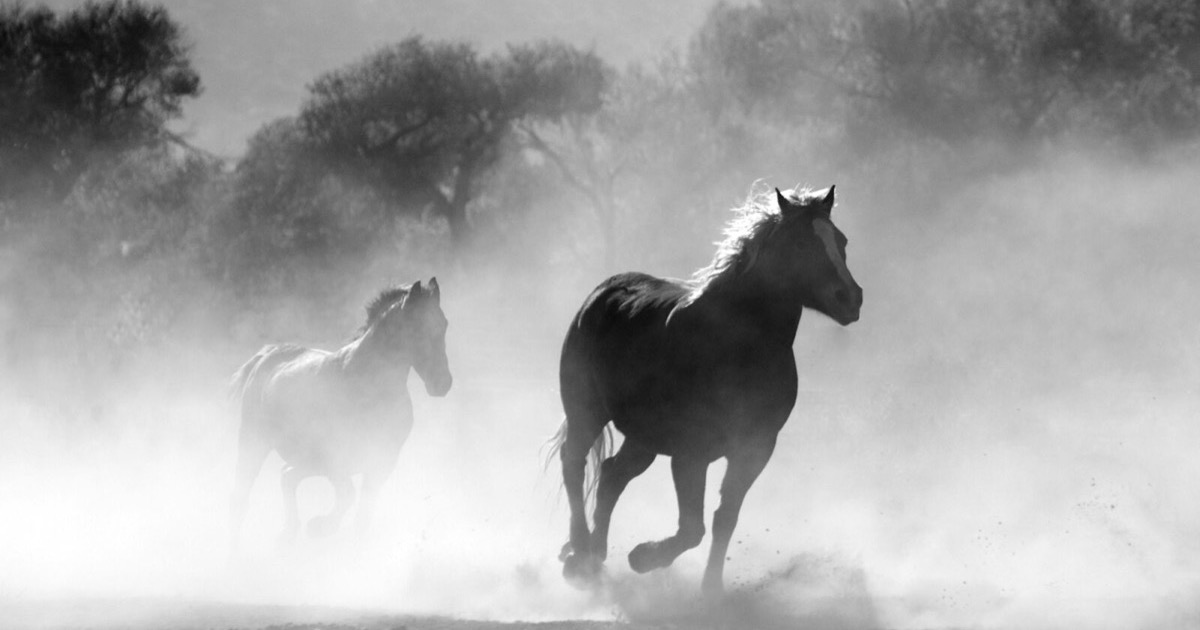
With the slowing growth of pastures and the drop in temperature, many horses shift from grazing on fresh grass to consuming more hay.
The concentrate ration, outdoor access program, and feeding routine may also change.
These seasonal changes can affect the horse's digestive system, especially the microbial community responsible for breaking down fiber in the hindgut.
The best way to support the horse's gut health during the transition from fall to winter is to gradually implement dietary changes, maintain continuous access to appropriate forage, and monitor stool condition, appetite, and overall body condition.
Prebiotics, probiotics, and fermented feeds may play a role in some feeding programs, but they cannot replace proper forage management or a balanced and suitable diet.
Why seasonal dietary changes can affect digestion: the horse's digestive system is adapted for forage consumption for the majority of the day.
As fall progresses, the type, amount of access, and nutritional composition of this forage often change.
Fresh pasture and stored hay differ in moisture, fiber, protein, sugars, and other nutrients.
Even two shipments of hay from the same grass species can vary in nutritional composition.
These differences matter because the horse relies on its hindgut microorganisms for fiber fermentation and the production of short-chain fatty acids, which are an important energy source.
A sudden change in diet can disrupt the balance between the horse and its gut microbes.
Research and promotional recommendations in the equine field associate sudden dietary changes with an increased risk of digestive disorders, including colic and diarrhea.
Seasonal changes can also affect management practices.
Horses may spend more time in enclosed spaces, receive meals at different intervals, or have less opportunity to graze.
Maintaining a consistent feeding routine, even with changing weather conditions, can help reduce unnecessary disturbances.
How to manage the transition from pasture to hay: the shift from pasture to hay is one of the most important nutritional changes to consider in the fall.
Instead of waiting for grass to become scarce and then abruptly switching the horse to a completely different source of forage, it is better to plan this transition in advance.
Gradually introduce new hay into the diet: whenever possible, mix the current forage with the new hay over a period of several days to two weeks.
Start with a larger portion of familiar forage and then gradually increase the amount of new hay.
The appropriate duration of this transition period depends on the horse itself, the degree of difference between forages, and its digestive history.
Horses with a history of colic or other digestive issues may require a more specialized program tailored with veterinary advice.
Avoid changing multiple components of the diet simultaneously.
If the hay supply, concentrate feed, and outdoor access program all change at once, it becomes more difficult to determine which change contributed to the onset of digestive discomfort.
Evaluate the quality of hay, not just its availability in winter; hay constitutes an important part of the diet for many horses, so its quality should be carefully assessed.
Choose hay that is clean, harvested at the right time, properly stored, and shows no visible signs of mold, excessive dust, or contamination.
Forage analysis can help determine the nutritional value of hay, including the levels of protein, fiber, and non-structural carbohydrates.
This information is especially important for horses with specific nutritional needs, including those prone to laminitis or facing metabolic issues.
For further guidance on selecting and feeding forage, refer to the Utah State University Extension guide on equine forage nutrition.
Understanding fermentation in the horse's hindgut is crucial, as the primary fermentation of its digestive system occurs in the hindgut; this means that a large portion of fiber digestion takes place in the cecum and large colon, where a diverse array of microorganisms break down plant materials.
This fermentation process produces short-chain fatty acids that the horse uses as an energy source.
The microbial community also responds to changes in nutrients that reach the hindgut.
When a horse is transitioned from pasture to hay, the amount and composition of the forage it consumes can change.
Microbes must adapt to the new dietary environment, and sudden changes may disrupt the natural fermentation process.
Maintaining a forage-based diet, making gradual changes to the ration, and avoiding large meals of concentrate can help maintain the normal function of the digestive system.
Why the stability of the microbiome in winter is important: the horse's gut microbiome is not fixed and unchangeable.
Its composition can change with diet, type of forage, season, and management practices.
A study published in 2021 in the journal Animals examined 10 adult horses over 12 months and showed that their fecal microbial communities changed with the season and diet.
Researchers also identified links between microbial composition, forage nutrients, and climatic conditions.
These findings suggest that seasonal changes in feeding can affect the horse's microbiome, although this small study does not prove that every microbial change necessarily leads to gastrointestinal disease.
Stability does not mean that the diet remains exactly the same throughout the year.
Horses need feeding programs that adapt to changes in forage availability, workload, body condition, and individual nutritional needs.
The goal is to make necessary changes in a controlled manner to give the digestive system a chance to adapt.
Keep the overall feeding routine consistent: during the cold months, strive to maintain the following: regular feeding schedules, so that any changes are implemented gradually.
Continuous access to appropriate forage, avoiding unnecessary long periods without feed.
Fresh, adequate water, even when temperatures drop.
Daily movement and outdoor presence suitable for the horse and weather conditions.
A diet that meets the horse's needs for energy, protein, vitamins, and minerals.
These measures help manage the digestive system while also aiding in maintaining the horse's body condition throughout winter.
Avoid sudden changes in concentrate feeds; hay is not the only feed that should be transitioned gradually.
Changes in grains, pelleted feeds, complete feeds, and other concentrates can also affect the digestion process.
Concentrates may contain more forage, starch, and sugar compared to hay.
If a significant amount of starch is not digested in the small intestine, it may reach the hindgut; where rapid fermentation can alter acidity and disrupt microbial activity.
The level of this risk depends on the feed composition, the amount provided, the size of each portion, and the condition of each horse.
If your horse requires more calories due to a drop in temperature, review the entire diet before increasing grains.
Depending on the horse's needs, suitable forage, a fiber-based feed, or another carefully selected energy source may be a good option.
Horses with metabolic disorders or a history of laminitis require special attention when selecting feed.
Whenever possible, make only one change at a time and introduce new feeds according to the manufacturer's instructions and the advice of an equine nutritionist or veterinarian.
Can prebiotics, probiotics, and fermented feeds help?
Prebiotics, probiotics, and fermented feeds are often presented as ways to support digestive health.
These are not interchangeable, and their value depends on the compositions, the product itself, and the specific needs of each horse.
Prebiotics are substances that microorganisms in the gut can selectively utilize.
Some fibers and fermentable compounds, including fructooligosaccharides and mannanoligosaccharides, are used in equine nutritional products.
Some fibrous compounds, such as beet pulp, can also provide the necessary substrate for fermentation in the hindgut.
Probiotics are live microorganisms whose purpose is to confer a health benefit when administered in adequate amounts.
Their effects may vary among different strains and products.
Evidence regarding one probiotic cannot be automatically generalized to all equine-specific supplements.
Fermented feeds, including properly prepared silages, have different characteristics from dried hay.
Before use, the nutritional composition, moisture content, fermentation quality, and suitability for each horse should be evaluated individually.
Introduce new fermented feed gradually into the diet and choose products designed for horses.
What does the evidence say about digestive supplements?
Research shows that the horse microbiome responds to the diet, and some prebiotic compounds or probiotic products may affect microbial activity.
However, observing changes in microbial populations does not necessarily mean improvement in clinical health.
Rutgers University’s guide on the equine hindgut microbiome explains how diet affects microbial communities and examines the differences between prebiotics and probiotics.
Before adding any supplement, check whether the hay and overall diet of your horse are already meeting its needs.
If digestive issues persist, instead of relying on a supplement to solve the problem, identify the underlying cause.
A qualified veterinarian or equine nutritionist can help determine whether a specific product is suitable for your horse.
Current research on seasonal gut health says that research on the horse microbiome helps scientists better understand how horses respond to different forage sources and different feeding systems.
Three findings are particularly important for autumn and winter nutrition.
The diet is one of the main factors affecting the gut microbiome.
Summarized research from Rutgers University shows that the type of forage and the amount of concentrate feed are related to differences in the composition of microbial communities.
Sudden introduction of concentrate into the diet can also change the microbial environment.
Seasonal changes can also transform microbial communities.
A 2021 study on pasture-fed horses found connections between season, nutrient content of forage, and fecal microbiota.
This finding supports careful management of seasonal dietary changes, although more research is needed to determine which changes truly have a significant effect on digestive health.
Microbial changes are not inherently a sign of disease.
Horses can adapt to different diets, and researchers are still investigating which microbial patterns are beneficial, neutral, or associated with health problems.
Findings from small studies should not be considered a universal prescription for nutrition.
For a closer look at how forage change affects the horse microbiome, you can see a peer-reviewed study on microbiome changes when moving horses between types of pasture.
The practical message is clear: prioritize suitable forage, make dietary changes gradually, and rely on research for decision-making, not the assumption that a specific supplement or feeding method will be beneficial for all horses.
Practical ways to monitor the digestive status of horses include daily observations, which can help you detect changes before they become more serious.
Establishing a baseline in autumn makes it easier to recognize when a horse's appetite, manure, or overall condition deviates from normal.
Use this checklist as part of your regular feeding program.
Manure consistency: Pay attention to changes in frequency of defecation, consistency, volume, or appearance of manure.
Persistent diarrhea or manure that is unusually dry requires attention.
Appetite: Monitor for decreased willingness to eat hay, skipping feedings, or changes in eating speed.
Water intake: Ensure that clean water remains available and unfrozen.
Monitor for a noticeable decrease in water drinking.
Body condition: Track the weight and body condition of the horse throughout winter.
These changes may indicate that the diet needs to be reassessed.
Comfort and behavior: Watch for pawing, frequent lying down, rolling, looking at sides, or unusual restlessness.
Diet changes: Keep a simple record of new hay shipments, concentrate feed adjustments, supplements, and changes in time spent grazing.
Dental health: If the horse has difficulty chewing hay, drops partially chewed feed from its mouth, or loses weight, take action for a dental examination and veterinary assessment as needed.
When should you contact a veterinarian?
If your horse shows signs of colic, persistent diarrhea, severe decrease in appetite, or other significant digestive changes, contact a veterinarian as soon as possible.
Severe or increasing abdominal pain, frequent rolling, sweating or agitation requires immediate veterinary attention.
If you suspect colic, do not wait for a diet change or a supplement to take effect.
Follow the veterinarian's instructions and do not administer any medication without proper guidance.
Frequently asked questions about transitioning a horse from pasture to hay, how long should this process take?
A gradual transition over a period of several days to two weeks, depending on the difference in forage and the horse's health status, is a practical starting point.
The Utah State University Extension recommends that dietary changes be made gradually, typically over 7 to 10 days.
Horses with a history of gastrointestinal issues may require a specialized program.
Should I give my horse probiotics when switching to winter hay?
Not necessarily.
Probiotics may be appropriate in some situations, but their benefit varies depending on the product and strain.
A gradual transition of forage, suitable hay, a consistent feeding schedule, and a balanced diet should take priority.
Can changing hay cause colic?
Sudden changes in forage can exacerbate digestive disturbances and are recognized as one of the potential risk factors for colic.
Introduce new hay gradually into the diet, ensure adequate water intake, and monitor the horse's manure and appetite during this period.
Is fermented feed better for gut health than hay?
There is no single, universal answer to this question.
Fermented feeds, if properly prepared, can be suitable for some horses, but they differ from dry hay in terms of moisture content, nutrient composition, and fermentation characteristics.
Feed should be selected based on the horse's nutritional needs, and if in doubt, consult a qualified specialist.
A thoughtful approach to winter nutrition supports the horse's digestive system during the transition from fall to winter, starting with basic principles: suitable forage, gradual changes in diet, fresh water, and regular, stable management.
Prebiotics, probiotics, and fermented feeds can have a place in a feeding program tailored to each horse's conditions, but they should be dietary supplements, not replacements.
Pay attention to the horse's normal eating pattern, manure quality, behavior, and body condition.
Small changes in these daily observations can provide useful information when deciding on the necessity of diet adjustments or veterinary evaluation.
For more practical guidance on horse nutrition and digestive health, read the Equine Wellness magazine article on the equine gut microbiome nutrition.
Resources and appendices: Utah State University Extension’s guide to equine forage nutrition Read the full research paper on seasonal variation in the equine microbiome Rutgers University guide to the equine hindgut microbiome microbiome changes as horses move between pasture types Source: Equine Wellness