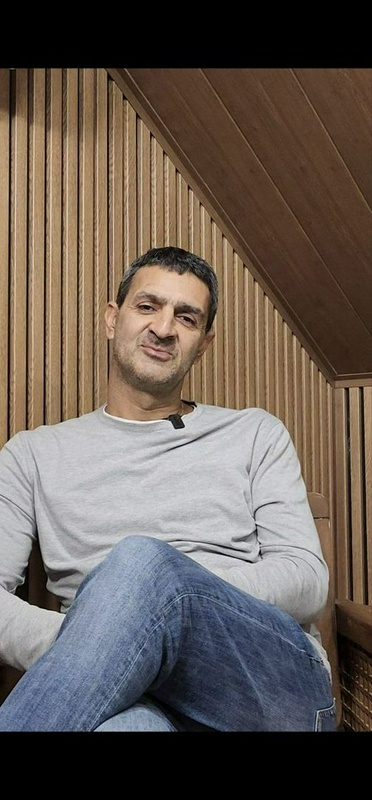
Masoud Makarinejad on issues and challenges of equestrian training in the country
خلاصه
In the twenty-fourth episode of Radio Chahar Nal, Mohsen Pourheidari discusses the challenges and problems of training in equestrianism in Iran with Masoud Makari-Nejad, the head of the coaches committee of the Equestrian Federation. Makari-Nejad points to the shortage of professional coaches and infrastructural issues, emphasizing that the number of coaches has increased from 150 to about 700, but there is still a need for better management and an appropriate information system. He also mentions the importance of practical experience in coaching and the necessity of holding educational clinics to enhance riders. By citing issues such as the lack of attention from the Ministry of Sports to equestrianism and emphasizing the need for cooperation between coaches and the federation, Makari-Nejad stresses the necessity of continuous education and the use of experiences from veterans. This interview also addresses the existing problems in supervising coaches and the need for them to have identification cards, as well as the challenges of the educational system in this field.
نکات کلیدی
- آقای مکارینژاد رئیس کمیته مربیان فدراسیون سوارکاری از زمان آقای دکتر خلیلی هستند.
- برگزاری کلاسهای آموزشی به دلیل عدم وجود باشگاههای مناسب در برخی استانها دشوار است.
- طولانی شدن پروسه آموزش میتواند به بهبود کیفیت یادگیری مربیان کمک کند.
- مدرک مربیگری به تنهایی کافی نیست و تجربه عملی اهمیت دارد.
- پیشنهاد برگزاری کلینیکهای سالانه بهجای بازآموزی سه ساله مطرح شده است.
سرفصلها
- معرفی و مسئولیتهای کمیته مربیان — نقش و وظایف کمیته مربیان فدراسیون سوارکاری و تعداد اعضای آن بررسی میشود.
- چالشهای برگزاری کلاسهای آموزشی — مشکلات و موانع برگزاری کلاسهای آموزشی در استانهای مختلف مورد بحث قرار میگیرد.
- اهمیت تجربه عملی در مربیگری — تفاوت بین داشتن مدرک مربیگری و تجربه عملی در سوارکاری توضیح داده میشود.
- نظارت و ارتقای سطح مربیان — پیشنهادات و چالشهای مربوط به نظارت و ارتقای سطح مربیان سوارکاری بررسی میشود.
پرسشهای متداول
آقای مکارینژاد از چه زمانی رئیس کمیته مربیان فدراسیون سوارکاری هستند؟
آقای مکارینژاد از زمانی که آقای دکتر خلیلی در رأس فدراسیون قرار گرفتند، مسئولیت کمیته مربیان را به عهده گرفتند.
چرا برگزاری کلاسهای آموزشی در برخی استانها دشوار است؟
زیرا فدراسیون سوارکاری هیچ باشگاه یا محل شخصی برای استفاده ندارد.
چرا کلاسهای مربیگری طولانی میشود؟
به خاطر شرایط آموزشی و امکانات محدود در شهرستانها و تهران، برگزاری کلاسها ممکن است به تأخیر بیفتد.
چرا نمیتوان فهمید که مربی دارای مدرک است یا نه؟
چون مرجع قانونی معتبر برای جستجو وجود ندارد.
چالش اصلی در برگزاری کلینیکهای سوارکاری چه بود؟
چالش اصلی عدم وجود مکان مناسب و استقبال کم از سوی مربیان و سوارکاران بود.
چرا مدرک مربیگری سوارکاری به تنهایی کافی نیست؟
مدرک به تنهایی نشاندهنده مهارت نیست و تجربه عملی در سوارکاری اهمیت بیشتری دارد.
چرا نظارت بر مربیان در چند سال گذشته وجود نداشته است؟
نظارت هزینهبر است و نیاز به استخدام ناظرانی دارد که حقوق میخواهند.
متن کامل گفتگو
Hello, I'm Mohsen Pourheidari and you're listening to the twenty-fourth episode of the first season of Radio Chahar Naal.
As I promised to talk about the very important topic of education in the horse and equestrian community, I asked dear Masoud Makarinejad, who also heads the Coaches Committee of the Equestrian Federation, to be a guest on Radio Chahar Naal and discuss the topic of education with him. I think we're about to hear an interesting conversation that I hope will spark thought and issues in the minds of you, the dear audience of Radio Chahar Naal, so you can move in the right direction. I ask all of you, dear radio audience, to illuminate the path of Radio Chahar Naal with your comments and criticisms so that we can do greater things in the future. Let's listen to the twenty-fourth episode of Radio Chahar Naal with dear Masoud Makarinejad. In the name of the Creator, as I promised in one of the stories on Radio Chahar Naal, today we bothered Professor Masoud Makarinejad. Or in fact, Makarinejad yes.
And I asked him to be a guest on the Radio Chahar Naal program about the important and broad topic of equestrian education in Iran. Well, now Mr. Masoud, who has been working hard for about 10 years, I think you have been involved with the Coaches Committee. I hope we have a good conversation now and have a suitable conclusion that will be useful for the audience. Well, I'm at your service. I also greet you and your esteemed viewers. I'm happy to be at your service and with the audience of the good program again. Mr. Mohsen, I'm also at your service. Let's ask the questions. If there's a question or a topic that I should explain, I'm at your service. You have been the head of the Coaches Committee for almost 10 years, meaning you took over this position from Mr. Tabesh if I'm not mistaken. No, not during Tabesh's time, during Mr. Heidari's time.
During Heidari's supervision, I became a member of the Coaches Committee. I think Mr. Ezzatollah Vojdani was the head of the committee at the time. I don't remember exactly, but since Dr. Khalili came and took the helm of the federation, the responsibility of the Coaches Committee was given to me. Of course, I've always said and wasn't the head in this position, and I had a responsibility to resolve matters. We were a group in these years that.
Consisted of Mr. Shahrokh Moghaddam, Mr. Hossein Fekri, Mr. Bab Alhawaji, Faramarz Babel Havaiji, and Mr. Maziar Jamshidkhani, and of course, at one time Ms. Melika Arabi was also a member of the committee, but we couldn't really use her presence. But the burden of this committee was collectively carried by these four or five people over the years, and if any work has been done now, it was really impossible without the cooperation and coordination and.
The efforts that these friends made in this committee were absolutely essential. Because before we start, I should give an explanation. The Equestrian Federation doesn't have any club or any personal place, meaning a suitable place that it owns. The entire riding community knows this, and more than that, classes are held in clubs, now in the counties we went to, they usually don't have exclusive clubs, and they are personal clubs. Now, in some provinces, good clubs have been built, and conditions are provided, but in some provinces, for example, the conditions are very bad for our classes. The educational classes we hold, but well, I think the most classes we held in these years were in Tehran province, with the cooperation of clubs where now my friends and I in the committee worked with clubs from relationships that now we ourselves, personal relationships, as they say.
They say that these kids burned their own coupons to use that space, to use the horses of that club, and you know the conditions that you have to provide a class, now a theoretical class can be held, after all, you can put 20 to 30 chairs in a hall and provide conditions for a theoretical educational class, but practical classes must have at least four or five horses so that other kids don't come to ride, now the kids of that club and.
Providing this space has really been hard over the years. In Tehran, for example, you see, for example, Bam Club, you want to work from Sunday to Friday, any day you want, at most hours, after all, it's crowded, we can't, and then Hossein, we can't expect, for example, the club to provide a dedicated barrier, now we usually tried to have our classes on Saturdays when the club is closed, which again was a problem.
The workers all want their day off, I don't know, the restaurants are closed in the clubs, the work space can't be used well again, and this was a big problem for us that now we wanted to work on Saturdays, we had problems during the week again, but really here I want to thank the management of the clubs that cooperated with us over the years, initially the club where I was myself, Mr. Malekloo cooperated a lot with me those years.
And now maybe we helped ourselves with good conditions, for example, there was a hall, I said if you want, come here and use it, but we didn't have facilities there, well, we were able to provide tables and chairs, if I remember, I mean, I remember that day Mr. Mohammad Sazvar helped, a number of chairs, now with armrests, the same university ones, and now they were for schools, they had about 30 in the club, they themselves suggested to me to use them, which we did, it was really a big help, the same number of chairs that we brought and put, and almost seven or eight courses.
We held coaching classes that year at Abrish Club with the same conditions, and now with the arena that was at my disposal there, almost now, and we worked jointly with another coach, but well, those friends also cooperated, they didn't come to the arena at those times, and obtaining and having this space is really hard, you can't easily use these facilities without cost for the educational classes of the federation, and the federation didn't have the conditions, really these years if a class was held, especially in Tehran.
Apart from the conditions that I told you about, it wasn't, and all with the cooperation of clubs, the private sector, our friends in various clubs were able to now, for example, we held a class at Jam Club, one or two of our classes were held at Arias Club, where at that time Mr. Faramarz was busy, and now he talked with Saeideh, who at that time was managing Arias Club, and cooperation.
Overall, the friends have been kind to me over the years. For instance, if I told them no, I haven't heard them say no to me over the years, or they would really cooperate and provide the conditions, and this is something that maybe many people don't know.
How these classes were held and what conditions we had to provide for these classes to be held. Due to the conditions prevailing both in the provinces and in Tehran, we sometimes had to extend our classes. For example, we couldn't hold classes back-to-back because maybe we could only get one day from the club in a month. These conditions for providing or, for example, in the provinces.
Again, for example, in the provinces, sometimes you would go and they didn't have any educational conditions at all. Providing facilities again might take time until we could provide the space and negotiate with them about what we want, how our obstacle should be, now provide watering, provide the necessary horse. For example, in Sari, three or four years ago, I think it was decided to hold coaching training clinics or a center. For three consecutive days, Mr. Moghaddam, Bab-al-Hawaiji, and I went.
And now our commuting conditions were a discussion, coordinating the car was a story, but for three whole days we went to a hall, a meeting hall, I don't know if it belonged to the governor's office or the governorate, and we talked theoretically. The practical class conditions were not provided. In those three days, the central city of Arak's master, at that time there was no club where we could, I mean, they had said there was, but then close to the class, it seemed that a problem had arisen and that club did not cooperate with the board. I don't know, I don't remember exactly what happened, but.
Really think about it, we had three days where at least two of those days, meaning two half-days and one full day, we had to do practical work, meaning in our clinics, everyone knows that this condition, those who went to the clinic, you who taught in the clinics, you know that most of it is practical work and we couldn't, for example, they couldn't provide the conditions for practical work space for us, and we sat for three days in class talking, meaning we talked in that hall for the crowd of kids, and well, this certainly lowered our work efficiency. I knew myself and.
Later, well, unfortunately, that class got prolonged. It was only at the end that we were able to gather this work in the central province after two or three years, but well, certainly the kids who were involved in this issue had expectations about why we delay our work, why I always hear these things, why processes get prolonged, but they didn't look at it from this side, they themselves were involved in this issue in that province, but they didn't look at the fact that we have to go with these conditions when there are no conditions that we can't create these conditions ourselves.
For example, it happened in Ahvaz, we went to set up a coaching training class for that region, we finished our clinics, for example, it got prolonged, the weather got bad, we couldn't go, there was a lot of pollution, the conditions were such that the kids didn't go, the professors who cooperated with us, for the exam we asked them to coordinate, coordinating the head of the federation's education committee or coordinating for friends in Tehran to have dormitories and.
Coordinating for the kids to come and be able to use the dormitory, for example, if they want to stay overnight, we said come to us, for example, 10 people, 15 people by bus, now whatever conditions you provide, the board helps to come to Tehran, we take your exam in Tehran so that this work can be gathered, we can provide the conditions in Tehran, they said no, we can't, and we have work and can't come, for example, well, this condition we could have provided, it didn't happen, they didn't cooperate, then this exam class maybe took a year, a year and a half to be held.
Practically, when you ask the kids from the provinces, for example, the coaching process or everyone is complaining that it has become long-term, but on the other hand, you have to hear from some people who say wow, how many coaching classes you hold, what's going on, what should we do, what do you want to do in this country, in short, but in practice when you are in the heart of the matter, you enter the work, you practically realize that the conditions are such that the country needs a series of coaches who are skilled, for example, having a certificate is not important to me at all.
One of the results that I have reached during these 8-9 years that Mr. Dr. Khalili entrusted this committee's responsibility to me and I stayed in this position during this time is that the prolongation of this process greatly helped improve the training of our coaches, meaning because they, for example, during maybe a year, were involved in these classes, it wasn't something they would forget, they constantly worked, practiced so that if, for example.
They wanted to take the exam a month later, they would be prepared, maybe they themselves hadn't thought about it, but being involved in this prolongation of the process made them constantly work, keep themselves updated, stay in work, and strive to be good so that they could get results in their exam, and after that when we took the exam, we saw that from the start of these classes, their entry, or after these clinics that we started until when we took the entrance test, and after that the 4-day classes and the final exam, they were really different.
The way these kids talked, their work, their information compared to when they came, maybe if there was a condition, there was a club that was central and we were centralized and we said quickly, quickly, quickly, come every week, go to the clinic for 45 days, take the exam at the end, then go, for example, 4 days, maybe in a month's process it would be over, maybe they wouldn't have.
Later, their scientific load wouldn't be that much, practically the result, I, the kids, and maybe themselves, anyone, the kids can check this, maybe they can realize this issue, meaning you mean that the pause wasn't just an ordinary help, in my opinion, it was a great help for many friends, especially those in the provinces, now the kids who are in Tehran.
They are more involved, they work more, they are forced to see in their clubs, they see the daily riding, after all, you know, for example, I always say one of the most important things for education is that you stand next to a coach, work for a while, and this helps you a lot for your future and many of your problems, many of your questions, maybe without asking, you get answers if there are questions in your mind when you stand next to a coach, now experienced and skilled in their training, in their work, without asking, you get the answers yourself and this.
Well, it happens in Tehran, and in Isfahan, it happens a lot recently, and similarly in Mashhad and Hamedan. But in some cities that don't have professional riders, the work is done at a very basic and low level. The kids who want to coach there really don't have this experience, and sometimes this process helped them a lot, especially those types of individuals. Overall, our effort has been to explain that sometimes they said all these numbers.
In my opinion, the statistics I have show that we have about 700 certified coaches nationwide. Previously, the number was very small, maybe around 140 to 150 people. But in recent years, we managed to add about 550 people. Of course, I don't know the exact details because one of our problems has been that we couldn't manage the federation well and design and plan a suitable website to have the coaches' information. So that anyone who wants to search can enter my name and see what certificate I have, how much work I've done, and what my resume is. Every federation needs to have this information on its website to determine the number of coaches and know how many have international, second-level, and third-level certificates.
This has been one of our weaknesses in the federation and needs to be implemented. I hope this happens soon so that as someone who wants to enter the equestrian system, I can easily search the federation's website to see if the coach working at a club near my residence really has an international certificate or not.
Currently, it's not possible to know if a coach working at a club really has a certificate unless there is a valid legal reference where it can be searched. This has not been set up yet and is a major issue that needs to be resolved. In my opinion, we still don't have enough experienced and certified coaches compared to the whole country. Many cities outside Tehran and major cities need experienced coaches. Good coaches have little cooperation with these cities and don't want to move away from their own city.
Of course, I'm not saying everyone is like this; there are coaches who work in different cities and really put in the effort. But their number is really small, and those provinces need experienced coaches. When clinics are held, this need is felt more, and we have been lagging in recent years. Another problem is that many professional coaches did not cooperate with us as needed.
In your talks, there was no mention of Norouzabad Club and Shohada Club, while these clubs belonged to the federation before they became part of the Sports Facilities Organization. Unfortunately, despite having many facilities, these spaces are not being used well. We have a scientific-applied center at Shohada Club and have used it for holding some theoretical training classes. Occasionally, we have also used Shohada Club for classes, but it's not really active. In Norouzabad, some practical classes were held for a while, but we couldn't make good use of the conditions there.
The Equipment Company has limited the use of these spaces for the federation for years, and they have to operate within their own administrative framework. We have used Shohada Club, but not as much as we should have. Masoud, regarding your talks about young coaches, I must say that there is an article called "The Art of Apprenticeship" by Master Mohammadreza Shabanali, which I think is good.
How was the work plan you received on the first day and started working? What deficiencies and gaps did you see that needed to be filled? We have always faced problems in our living conditions in Iran, where we can't choose many things ourselves. I told my friends that most of the cars I bought over the years, I didn't choose; rather, circumstances forced me to buy them.
When I became responsible for the committee, the system was very backward, and there were few certified coaches. During Mr. Heydari's period, it was planned that those who have experience and meet the necessary conditions could participate in the entrance exams and, after passing, participate in coaching classes. I was also part of the committee that conducted the exams. I think about 400 people took the exam at that time and came to Tehran from all over Iran. At that time, the Army Club...
Reza really had very good cooperation with the federation. At that time, he gave us some of the class horses and provided us with their indoor space, which Mohsen used half of. We were four or five people from those who were cooperating in the committee at that time; Mr. Vojdani, Mr. Master Habibi, Master Vojdani, myself, Maziar Jamshidkhaneh, and I think Faramarz Babachi and Mr. Fekri were also present.
With the five or six people who were in that committee, we would come simultaneously and stand and quickly conduct practical tests for groups of ten kids. Then it was decided that out of those 400 people, about 200 and some would pass. This happened at the end of Mr. Heydari's period in the federation, and after that, elections were held, and Dr. Khalili was elected for the federation.
I was already acquainted with Dr. Khalili at the university, and he knew me. Dr. Khalili offered me another position, but I didn't think it was suitable. I said that these positions don't match my age, and since I still play sports and coach, I can't enter the administrative system and apologized. But friends know that in the list Dr. Khalili had for entering the elections, he had to give the name of the secretary and, for example, two or three vice presidents.
After the elections, Mr. Kazemian became the secretary, and I became responsible for the coaching committee. When we held the initial meetings, we faced a large number of people who had taken the entrance test in the previous period, and we had to do something. Dr. Khalili was initially opposed, and we had to think about this issue and present another plan. In my opinion, it wasn't logical for them to come one day and take a test, and maybe in that crowd, someone who isn't good would pass.
I talked to Dr. Khalili, and the federation registered them. I think at that time, the registration fee was 5,000 tomans. The number of those who passed had to reach a conclusion, and it couldn't be said that they had passed. A program was implemented where those who passed had to attend four days of coaching classes and then take theoretical and practical exams. After that, they had to take general courses for all coaching disciplines at the Sports Organization and take exams. The instructors and exams were under the supervision of the Sports Organization, and all coaches had to obtain a certificate. In addition to passing the final exam, a coaching certificate was issued.
We got involved in this coaching process and had to manage the situation. Initially, it wasn't a situation where we could quickly organize these people. To find a place and club, we first talked under an empty restaurant and set up chairs. We had to invite 30 people at a time, and I think it took 7 or 8 sessions to complete this task. In the long run, I think it took one or two years for these people to get certified.
We had new requests and faced a situation where requests were coming from all over the country, and the number of people we had for training in classes was limited. Our great instructors had significant cooperation with the federation and were committee members and really collaborated well. Sometimes they went above and beyond and faced difficult conditions like flight delays.
We paid for holding classes in the provinces, which was for 8 hours of daily work, but we were practically engaged in classes for 22 hours. For example, we would fly at 5 in the morning, and if there was no delay, we would arrive on time, and after the class, the return flight was at 11 at night. This happened many times, and the flight would be delayed, and we were engaged until midnight.
The fee that the federation paid for training the instructors was not significant, and people had to be interested in doing this work. Many friends who could help the system did not cooperate and refrained from collaborating for various reasons. We bought a ticket for one of the instructors, and on the night of the flight, they said they couldn't go. We talked to one of the old coaches to come and help with the coaching classes, but...
If you want to say something, or I can stand aside and explain, just let the kids see what proper and professional lunging is. At first, they said no and yes and these things, then they said okay, I'll come, and we were in contact until noon the next day, and suddenly the phone would turn off at noon. For example, I had to do it myself because I couldn't find anyone to teach. Then, for example, this would happen. For example, on the first day, I had a class myself, on the second day, for example, the next class was Mr. Faramarz, then, for example, Mr. Hossein Shahrokh, then Maziar.
I worked after one, two, three sessions, and suddenly we saw it slowly filled here and there that yes, you see what happened, they opened a shop themselves constantly. Sir, you who are my friend, you who said this, you say this, didn't you put me to work yourself?
Weren't you one of those people who, for example, if you came that day, I wouldn't go to that class to become two days in class, for example, to add to your class. I don't take it, you don't say, but in general, I say we really had many challenges over these years, and anyone else, in my opinion, is no different. Nothing can be done anymore. We cannot import instructors from abroad; we must use these friends.
With these friends, they really have the right. I also give them 100% right that it really wasn't justified for them to suddenly leave their lives, their work, their students. It's the teacher's mission, as they say, the alms of learning is teaching. Now, in my opinion, a little lack of kindness has caused it. I talked a lot, sir, we are teaching here as much as our alms.
In our place, there are people who come, we don't even take money, we work, we give the alms of our work. Well, this story is really very evident in the provinces. I mean, you yourself also said in the conversation that we are really stuck in basic issues in the provinces. Now I say really that now you say your pain, I really like to hear it and that.
You pass the classes and these stories. Masoud dear, one criticism of your educational system is that those who have reached the course from level three are very few. Yes, and also one.
Why, for example, should I have the same certificate as an instructor who has been asking for years? I have three, he also has three. Now I have internalized this that that person is an instructor in any situation, the certificate does not determine his position. But well, there are many whose certificate is this, I am, what difference does it make that this is why this defect has been that this three to two and two to one has taken so long? This is also related to the same shortage of people, one of the most important reasons is the lack of facilities. Let me explain to you so that this issue becomes clear.
In the early days when it was discussed in the coaches' committee and the federation, it was supposed that we would go to level three, then they requested to upgrade its level to get an international level one. This happened three or four times. A course before these that I was in and there were 14 people. Usually, their classes are held by the international federation, 14 people I think it was in 78 or those times that.
The international federation held a level one course in Iran, 14 people registered, and I was among those names invited from Isfahan province. After that, there were no more for years until a few years ago we were able to hold three or four courses that from that in that class we really sat and selected separately the kids who were active and working at a high level. Well, one of the things we had set was that we must have had level three.
Then their activity was considered by the committee that we sat and put the list of coaches who had a level 3 certificate in front of us and discussed it. Every time we wanted to select those 14, really every time one or two hours three hours were discussed about selecting people so that no one's right would be violated and we could have the maximum number of kids who were active, had students, had worked in the field of coaching in this class and.
Our segment was also that really no one's right would be violated. Honestly, we were very sensitive, and I myself was also very focused on this issue in this discussion. Then an event happened, we saw level three when they go, for example, in that class, well, it was a jumping class, yes, up to international level 1 for some, well, they had level three, but well, they hadn't done much jumping work. Now if we wanted to send this directly, continue its law, well, we would face a challenge that they hadn't seen this educational work before suddenly going international.
We planned to say, sir, from now on, let's put a round for all different disciplines to become specialized two. I mean, for example, I have 3 now I want to work on polo, I go to get specialized 2 for polo. I have 3 I want to become a dressage coach, I go to get specialized two specialized and likewise jumping likewise now the disciplines that are under the supervision of the equestrian federation this event we set a course.
The challenge we encountered was that at that time, Mrs. Molla Jafari was in charge of the Education Committee, and she really worked hard and gave a very good system to the federation's education system in all her work. Then she said that the Sports Organization has a rule that you need to get 25 points from the clinics held to upgrade these kids' levels. Each clinic gives them three points, and approximately.
You had to attend 8 or 9 clinics to get these 25 points. We were forced to hold about 10 to 12 clinics so that if, for example, you encountered a problem and missed two of them, you wouldn't be left behind and say, well, we couldn't fix 8 or 9, so whoever came to 9 could come. We planned 12 to 13 clinics or 4, for example, we accepted and said even if 8 came, we would consider the points.
And we went forward like this. The kids really cooperated quickly. For example, one day I asked Majid Sharifi to hold a class for the kids at his club, and he really hosted well and was a great help that day. He held that clinic excellently for level two to upgrade from level 3 to level two in jumping. I asked Mehdi Jamshid for a few of them, he was my brother's master, and I think once with Sazgar.
Sometimes we planned it ourselves. Once I said let's explain the national laws to them. Morteza Selseleh Zakereen requested a series of general jumping laws, which I think was very good, but there was little reception. I thought many more level threes should come, but overall, I think 17 or 18 people didn't continue this issue, and alongside this, we were holding level three elsewhere.
After being with these people twice, they said we went to several counties and took entrance tests. For example, out of 30 people who requested the test, 30 were rejected, meaning they had no information about our questions. Their riding style was different, and they rode locally, etc. Then at one of these annual federation meetings, they complained, and one of the same heads was very upset that everyone had been rejected, and the result was that in that general assembly, they decided.
To hold five prerequisite clinics for the kids and then test them. They should say what we want to do, what the stretching method is, and I don't know, explain the principles we test in five days and then test them. These five clinics were added to our load, and this issue that I explained to you and initially said without a place and without a suitable location, nothing, without.
Having a club, the federation played a significant role in this area. It was difficult to provide facilities to hold these clinics for both level 3 coaching and level 2 coaching. In this regard, those whose certificates are three years old need retraining and must be attentive again. Retraining is a heavy task and not a joke, and it must be done, but the facilities and conditions we had did not allow this work to proceed.
We couldn't hold clinics for level two, and it remained like that. Yes, you're right, it hasn't been done, but the reason is that I'm telling you, we neither had the conditions nor did the kids welcome level 2 clinics. Some coaches really cooperated with us, but overall, we could only manage one or two or three like this. A club where, for example.
We could hold full-day clinics that take time; you've been there and know that work must be done from morning to evening to yield results. That was the reason. The reality, now I don't know if they accept it or not, is logical. Now a question that has arisen for me, well, haven't you thought as the head of the coaching committee that in these few years we should produce instructors? I mean, like in the first three years, you realized you have this engagement, now nominate some and produce instructors. Why? One of the.
Points that Dr. Khalili constantly emphasized was the production of instructors. This discussion, as you mentioned, Dr. Khalifeh was extremely sensitive about this issue and kept saying that this should happen. We shouldn't have instructors for just four people, but I myself believe in this issue that when you search, even if you search in the world equestrian federation, the number of global instructors is also very few because you can't quickly produce instructors for such an important and specialized task as equestrian training, and that too for coaching equestrian training. It's not even possible. You know, having a good, experienced instructor is important, and you have to spend a lot of time.
From our friends, Mr. Hashem Zanooi, Mr. Arian Shadman, over there Mr. Aflatoonian Kerman, Mr.
Another friend of ours, Amir Ebrahimi Kerman, we asked him again to plan in those areas. These clinics were meant to be spread in cities, using kids who have level three there and are active and working, for the clinics of those provinces, to gradually engage them. There was reception, yes, from some of these young kids, there was reception, from the younger generation now, by reception I mean the kids of those cities themselves.
Didn't really welcome their local coach. This happened, they were forced to go. Yes, it wasn't good. For example, we heard talks that he had contacted me two years ago, I just didn't attend his class. Why didn't you go? He is not your personal coach today as an instructor. There, the instructor had to attend the class. Even if you didn't want to, it wouldn't be useful, you had to go. Of course, I said that you added to the conflicts, thank you very much for saying this, but really.
It was a challenge. Later, for example, in some places, we wanted to send someone, they emphasized that this person shouldn't come. Now I also have a bad habit that it's not like you say this person shouldn't come because three riders said we don't like him. They should use an experienced person who is in their city. If they haven't thought about using him all these years, they should at least use him now.
Because there is no other way. If this person doesn't come, and we want to get a plane ticket from here for another person to send to your city, a lot of costs will be added, and there will be delays in this matter. Recently, Mr. Mehdi Bakhtiari has cooperated well. We sent him to several cities, and he helped a lot. I apologize if I forgot any names, but really the kids gradually had good cooperation with Ms. Ghazaleh Montazeram, who had good cooperation with us. Finally, she.
They teach at the university and their knowledge is very good, and they were very helpful. They were invited to several cities, for example, they went to Ahvaz. The classes they held were very good. Overall, the young generation that has come in recent years, Arman got their degree and now they are working, they cooperate with us more compared to the old generation who really did not cooperate. Now, this is unfortunately a problem.
I think it's because of the differences in opinions they had in the style and method of teaching and learning, unfortunately, this difference of opinion has also victimized the rider and the equestrian community. The next question is about an issue that you yourself have certainly been involved with, the discussion that one of the conditions for entering the coaching entry classes to the clinics is actually having five years of work experience. Yes, well, we know that this has not been observed in many places, meaning, for example, a committee has written to you that this person is among those with five years of work experience. Then you approach the horse and realize that this person has only been in the stable for six months.
It should be stricter. Why could it, but I must explain this to you again, that we had a meeting in Tehran a few years ago. In Tehran province, everyone from the general community that now the federations and committees must hold every year, well, the sports organization experts will definitely be present. One of the opinions contrary to mine and yours, who think they should be stricter.
One of the sports administration experts said why did you even set this 5-year requirement, because let me explain this as well, I think we have, for example, 6 weeks of items to participate in the coaching class. 4-5 of them are told to us by the sports organization that must be there. These are the rules that the sports organization says must have a diploma. If someone does not have a diploma, you can get coaching for them. The background of non-addiction law is something specialized now for each field we add to the federation.
For example, I remember the coaching age was set at 25 years one year. We made a lot of efforts and said this age is too much for our field and we can reduce it to 20 years. We wrote a letter and they agreed to make this change for the equestrian federation. We set this 5-year experience from the equestrian federation because other fields did not have it, but we said that we are doing the hardest sport in the world. It is exactly one of the most challenging and hardest sports in the world and everyone knows it.
How can one easily enter coaching and get a degree? Considering that we have just set this 5-year requirement and filtered it and added 5 clinics, still the conditions are not satisfactory in terms of work and scientific level. But even this was criticized by the organization that why, like other sports, anyone who wants can come and take the test and if they pass, they can go. For example, the Ministry of Sports' view of equestrian sports is that it is not at all among their priorities.
In the Asian Games that we went to, none of the ministry officials came to our competition venue. As if it was not important to them at all. You say even at the national level it is like this, but in our opinion, maybe it needs to be even stricter, but there is a lot of resistance in this area. We should not look from our own perspective, from another perspective, many people say why do you make it so difficult?
We say someone who wants to take the entrance test, if they have really been in this work for 4 or 5 years, they can easily pass the entrance test. Exactly from here and there, we are pressured as to why you are being so strict. For example, in our city, they do not have a coach and you came and out of 20 people, only 3 people passed. Ten people were weak and did not pass, and they say the test is very difficult.
I say to this extent we sometimes have these discussions with the heads of the committees and the officials who work in the committees. This issue is not like we look at something from our own perspective, but practically things happen that we cannot manipulate many things and make them harder or easier. Sometimes we increase this filter and face a volume that says you cannot perhaps proceed with the law. According to the law, even if you remove the five years, it is correct.
You know sometimes we have gradually added these things with measures, but making it harder again is a process that maybe in my opinion also needs to be a bit harder. But in the provinces, especially, they do not do professional sports and ordinary riding is common among them. It is very difficult to make this work harder and be able to get results.
Yes, unfortunately, you said nearly 500 people have obtained a level three coaching card in recent years. Yes, I say there are more, but for example, in recent years, 500 and a bit more have been added. You must have heard that.
Many of these certificates that have been issued have only been used on Instagram pages or in the office and have not practically had any output. But there is a very high fever in the horse-riding community to get a level 3 coaching certificate. I have seen many who got that certificate just for the certificate and training time and there was no effort in this area to raise the knowledge and practically the ultimate.
The goal of a rider in many other cities is only to get a level 3 certificate. Do you think it would have been better if this time you removed the word coaching from level 3 so that this level would rise higher? I do not need a level three coach, I jump in competitions with the same level 3 certificate, I have students, I buy and sell horses, and I practically do not pursue other educational knowledge. How do many help, for example, help mer.
In the past, maybe in the year 7245, Mehdi Jamshidkhani came to Isfahan and held a class for us for a few days and gave a paper from the federation. At that time, the person responsible for coaching education was the same and their committee as well. At that time, Mehdi Jamshidkhani was Professor Jamshidkhani and a note above it said assistant coach, but later.
In my opinion, it seemed good to give a series of assistant coaching. My main goal in proposing and raising this was that for those who did not have a diploma, we have a series of riders who ride very well and are professional and can also provide good training, but they do not have a diploma. They were educated in the past and have always been with horses and did not pursue studies. For this group, we said that if we can give this assistant coaching, it would be very good.
They do not have the conditions for coaching, but now with this certificate, they can also have some partial training. When we pursued it, the organization opposed it and said we do not have such a thing in the sports administration's organizational chart for assistant coaching. Coaching starts from level 3 and goes up, now level two, level one, and then it becomes international and they opposed this issue. This is about this we cannot do this because if the federation itself.
Issuing a certificate that lacks credibility. It must be signed by the Sports Organization to have coaching validity. I think it's not a bad idea to explain here that some are purely technical vocational classes for coaching, consisting of 12 sessions, and they charge a fee and provide a coaching certificate. Yes, friends should know that these have no legal validity. For instance, I saw an advertisement in collaboration with the University of Applied Science for equestrian, and when I called, they said that since I followed up.
Skills like grooming, but that logo eventually adds weight to the certificate. Masoud, this might have been arranged in collaboration with the Technical and Vocational Organization and the University of Applied Science, but they give a certificate of attendance for that class. Now, the attendance certificate, for example, is not a binding four-hour course that they will do a lot, but if.
If it's about certification, this cannot be given to you as a licensing certificate. Attending that class was because it's a very personal skill. Meaning you have to get hands-on. It's definitely very different from coaching. Now, coaching still, but regarding specific coaching, there is no special sentence of collaboration with the same University of Applied Science about this.
But they started themselves in various counties. If something happens with this certificate to you or the kids, the court doesn't recognize this officially. This issue is that the federations issue coaching certificates. You made a very good point because many think that if they get this certificate and, God forbid, something happens to the rider, they have legal responsibility. Whereas I don't think that's the case. Let's explain again here, even if I have a coach and something happens in class or training, it's not like because I have a certificate, I am exonerated.
A coaching certificate is like a driver's license. You can't drive without a license, but when you have a license, you can drive. God forbid, if there's an accident, an expert comes, the police come and ask if you have a license? Yes. Do you have one too? Yes. Okay, then it's resolved. Do you have insurance? Yes, it's resolved. Now the expert determines how much you are at fault and how much the other person is. 50%, 50%, 100%, 0%. Now that depends. It's the same. Now, no, because many are just after thinking that the certificate is like this case.
It's like a license. If you don't have it, you can't drive, but if you have an accident with a license, you won't be exonerated and won't be without fault. Look, Masoud, the discussion I personally have and we discussed extensively outside the interview, I see the level of knowledge as very different from credentialism in this sport. Unfortunately, this certificate does not produce a level of knowledge, and these certificates are good, clinics are excellent, but we need more.
We need to raise the level of knowledge and science rather than just getting certificates. For example, if a coach comes from abroad now, they say Mr. Mohsen attended this class, sat in this class for two hours, and they give a certificate, not a degree as a resume. But when it comes to certification, the weight of the word coaching seems heavy to me. For a level 3 certificate, there's a level one, there's an international level. This naturally fits that it has a level one, at least 20 years, 15 years of work experience.
But for example, with 5 years of work experience, one should get a level three coaching certificate, become the head coach of a club. Then those people come, you know, this certificate seems a bit heavy to me when they get it and then shut down the education system. Meaning they shut down learning within themselves and don't strive for level two and level one. Raising their scientific level. I personally have this criticism. Maybe there were fewer numbers, but the quality of education was more stringent. At least we.
Had 4 work-related injuries in the next 10 years. Yes, you're right, Mohsen, just please don't forget one point again. We are faced with a demand from the provinces that you must hold classes for us because we need certified coaches. They ask why? They say because there's a rule all physical education departments have that when you want to establish a club, you must introduce a certified coach as my club's coach. Yes.
And because of this issue, they get stuck for licensing. If they don't have a certified coach, they get stuck, and until they do this, they can't bring a coach's certificate to the table. So this issue has caused them to constantly seek to become certified. Now that's one discussion, let's set it aside. Another discussion is when you're dealing with a group that is credential-focused, you can't do anything. The same group goes to university, gets a university degree, but doesn't have good knowledge, doesn't have high knowledge.
If you always search, investigate, you'll see a group is after certificates. Now, in our society, we don't care about the world. I wasn't among that group, but here for years, some have been after certificates, and annually several doctoral degrees are issued from Iranian universities. They come out, some of them become, for example, Dr. Ghasemi. A lot because, for example, they have a doctorate, they build buildings, they have a doctorate, they buy and sell cars. So what does this show? This shows that they were after a certificate to say I'm a doctor.
But maybe they themselves have come to believe that I don't have the knowledge of a doctorate, I just got the certificate. So this shows us that some people, no matter how hard you make it, will try for the exam. We have an exam or entrance test, they just look for the topics to pass that test. I don't think a coaching certificate worked. In my opinion, nothing can be done for this group.
No matter how hard you make it, they come again to get that certificate. They worked for years, coached for years, and could have had an international level now, but they weren't after it.
My dear, my brother, you get this certificate for years, and you get stuck somewhere, what good does it do us? We do our work, and they say it practically doesn't help them. They can't get a loan, they can't have something allocated to them, but those who should have gone after it years ago didn't. They didn't go after this thing at all, maybe their students' students have certificates ahead of them. So this seems to me.
It seems to me that it's personal whether someone pursues a certificate or seeks knowledge, goes after good experience or seeks. I believe if someone, I 100% agree with what you said, that if someone pursues a certificate of knowledge, and gets the certificate in line with it, in the level they have considered for themselves, it becomes an ideal work. Yes, for example, now what do I know, kids who are now collaborating have university degrees and are teaching at a high level and ideal equestrian.
It's very good, but these are a few in this mindset. You can't make our conditions very difficult for a few people to just get a certificate. Now, this is completely related to our culture. For example, we want to migrate, we want a coaching certificate there.
I say maybe it will be useful for your immigration file, but practically no one looks at your certificate to give you a job. Riding, sit on the horse, let's see, skill is skill. If you want to say coaching and you are an experienced coach, you have to have a student work, see what they do, you have to see the student's faults and say until they understand you know the job. It's true, when can you see it? When you have worked for years.
Just as you say you have experience, you have pursued its knowledge, you can broaden your view, but when you haven't seen it, you can have a thousand certificates that you don't see. You don't have a certificate either, you see. Again, this discussion really has nothing to do with the federation and the coaching committee. In my opinion, we set a condition that, well, we can tighten its filter to some extent, but we can't go beyond a certain limit. It's like university, like the medical field in this country, it's hard, but many can go and make a little effort to get their medical certificate.
They get a civil engineering certificate, but practically they don't have good information about the building. Unfortunately, we have a mushroom-like growth of educational institutions. Even in the field of equestrianism, if I'm not mistaken, we have an applied science university at the Shohada club. If I'm not mistaken, Mrs. Montazemi has a university, and from this university, a branch of their own university, they hold their classes and have their conditions. In your opinion, because now I've seen many like me who have gone.
I am a coaching student at the university. This is very far from imagination for me, meaning if I don't want to say ridiculous, but practically it is ridiculous. Meaning you went to a field like equestrian coaching but you haven't seen the main work yet.
This is a big problem, and I have been in contact with it for years. Of course, let me say this has nothing to do with the federation's coaching committee. No, do you know how it is? Besides the federation's coaching committee, I was also one of the university professors. Over the years, those who have planned have made mistakes. When these two applied science fields wanted to come, I myself got a bachelor's degree in horse breeding at the applied science university.
But at that time, we didn't have a coaching certificate and there wasn't a field called equestrian coaching. We had horse breeding at the university. Yes, many of these kids who are employed in the equestrian field have our certificate. My own course was really a very interesting class. Many of those who are now at the top of equestrian work in Iran have a good position and are successful, most of the kids are numerous. Then let me tell you that after graduation, one day they invited me along with two or three other kids to come. We want to upgrade fields like horse breeding and bring them under the federation. I participated in one of those sessions, and one of the filtering conditions they had was that if someone wanted to come to these classes and this university, besides the entrance exam they had set, they had to take a riding test.
To be able to enter these classes and this university. Not to enter with a certificate into this story. Entry for a coaching certificate, for example, although the coaching certificate is called the coaching field. These are now, just yesterday was Saturday. Yes, yesterday the coaching exam was held by the federation, and they take exams from a series of graduate students. I say we have a separate exam for graduates for level 3 coaching. If they want to get it, they have to take the exam.
That coaching certificate itself doesn't give them. We have a separate entrance test. We don't take their classes because they went to classes for three or four years. We have an entrance exam and we take their final exam. This is it, meaning apart from that, it's not like you go now and they give you a coaching certificate. It's just called the equestrian coaching field. People should know this too. But I thought it was logical at the start that someone who wants to go to university, for example, you want to go to the number one university in France, someone wants to go. Some Iranian kids went last year. They went to take a riding test based on the information they have about riding. Now, one has more information in the group section, for example, now they can work in the pool. They go and start there and study there. One wants to do coaching, they go and do coaching. Riding schools around the world, we also took a model from them for here.
But gradually, like other fields in the country, many fields have had their entrance exams removed. Now you can register and participate in many universities without an entrance exam. Previously, all fields had entrance exams. Yes, but now the number of universities has increased so much and the number of students has decreased that they have removed that initial filter. Now, abroad, it's like this. Abroad, you usually don't hear about taking an entrance exam, but their exit filter is very strict. They have also removed the entrance exam. Usually, like other important fields in this country, the horse breeding field, the associate degree field, and now they had a bachelor's degree in breeding that previously had entrance exams, now without an entrance exam for several years.
Similarly, coaching, besides having its entrance exam removed, has also had the riding test removed. Why? Because they want to take students, which is the university's job, and to have prosperity. This wasn't in my hands, and I disagree. I have always been against it as a sports expert. I have always taught there over the years. But he is the same way. For example, I went there as a professor to teach with a group, for example, if there are 20 people in my class.
14 of them know nothing, 6 of them are very good. For example, six of them might be riders who went to study in this field. They pursue the scientific aspect of this issue. It's very good for me. I encouraged 6 people. It's very good. I said, dad, it's good, why? Because someone who is doing the practical part is also learning the theory. Many of us in past years didn't learn the theory. It was all practical. What else did we learn? Learning the theory can help a lot. It's the same way, but for someone whose practical part is good and has basic skills.
But this is because they have removed this filter, this event that you say yes, and I have been dealing with it for years. That is, I want to take the end-of-term exam. I wanted to take it, I didn't know how much to make it difficult now. You know because there was a student who really, for example, didn't want to coach. The university doesn't have these math physics. Come here. You know, really, well, they would reject it. This field, for example, would be thrown away and then the next term would not be offered.
It was very difficult for you to take an exam from this group, really how difficult to make it, I don't know. I have been dealing with it myself for years, but it was not related to me to the coaches committee.
Now I want to ask you the last question. Before my last class, let me say a point about the same thing that you explained very fully at the beginning of the discussion, and I hope this work will be done. Because I come to this lack of ranking of coaches, that is, to see the list of coaches on the site. Now, besides facing a very large list, I wish they were ranked, that is, starred. This person three stars, five stars in the same skill, for example.
Third degree, why haven't we monitored those we have certified over the years. You practically had a retraining class once every three years, which I personally do not accept. Retraining is for someone who has been monitored over the years. Well, why wasn't there this monitoring? The reality is if we want to know, it is that we didn't have a supervisor, we reach there. Not because we don't have it now.
When you want to have a supervisor, you have to spend. A supervisor does not monitor for free and it is necessary to hire an expert. Monitoring is costly and supervisors want salaries and must have an income to become a federation supervisor. In competitions, from a certain level upwards, a federation supervisor is needed. This supervisor is selected from among judges and specialists, and you can be selected as a supervisor in competitions at this level.
Supervision is not free and you cannot expect supervisors to work for free. Life has costs and the federation cannot pay 20 supervisors to monitor. You had thought about this. Yes, for example, it was once suggested that instead of retraining every three years, level-up clinics be held to maintain the degree.
Our suggestion was that over three years, level 3 certified coaches be forced to attend 4 clinics each year. We were obliged to hold 8 clinics annually, and you had to attend 4 of them. After three years, this site would allow you to renew your card by attending clinics.
Since you had attended 4 clinics each year, when the third year came, your card would be automatically renewed. These suggestions were made and thought about, but they were not practically implemented. Either there was no budget or there were other problems. Once we said issue an identification card for certified coaches. A small card that you can carry with you.
We said the federation should issue an identification card so that club coaches can introduce themselves. If someone commits an offense, the federation can warn them, and if they don't listen, dismiss them.
But this required conditions. How could you recognize coaches without an identification card? A lot of work was done on this subject. Devices came, but the special paper needed was not found. There were many problems. When you enter the work, you see that there are many problems. Talking about them is easy, but acting is difficult.
As a person in charge, I always liked to say I am responsible, not a boss. Head of the coaches committee. If I had an identification card, I could introduce myself. But when someone doesn't know you, you have to explain who you are.
Having an identification card could prevent misuse. But producing a card that is not fake was difficult. It needed special paper and a chip that could not be easily copied.
There were many problems, and contracts led to complaints. When you enter the work, you see that there are many problems. But from the outside, talking about them is easy. Thank you for holding this session to perhaps open some people's views.
With the process we are moving forward, unfortunately, only the certificate is important. The level of education and the model of education are also important. You worked very hard, and I knew it before. With all these efforts, we may not produce new breeds in the future.
I hope you are always healthy, and I thank Pardis store at the Bank Club for providing us with this space to have a good recording. If you have any last words, I am ready to listen. Thank you for holding this session. Maybe many have questions and cannot easily get answers.
Over the years, I have explained a lot, and I ask you to put the coaching conditions on the site so that anyone who wants can get information. I hope we can open perspectives with the help of these discussions. I have always said that whenever conditions are provided and I see a coach can be influential, I will pay for the training.
Friends who travel abroad should not settle for where they are currently. If we think we know everything and are complete, we will not progress. Education in equestrianism has no end, and there are always new things to learn.
Friends should seek progress and education. I don't think any of the professional and high-level coaches in Iran would not answer if you asked them a question. But many do not ask questions and do not get information. A wise person uses the experience of others.
Someone who wants to experience everything themselves does not act rationally. Friends should use the experience of veterans and those who have gone ahead to advance the equestrian system. Counties should spend more time and invite coaches.
Waiting for the federation to send a savior and give four certificates. This, in my opinion, has been very detrimental to themselves. Again, thank you for taking the time. I hope you are healthy and well wherever you are. Thank you, have a good day. Goodbye.
I am immensely grateful for being the listener of this episode of Radio Chahar Nal and hope it was useful for you. I repeat again, do not deprive Radio Chahar Nal of your comments. Until the next episode, goodbye to all of you.
Take care of your horses.