Driestapsysteem voor het verbeteren van rijden in elke discipline
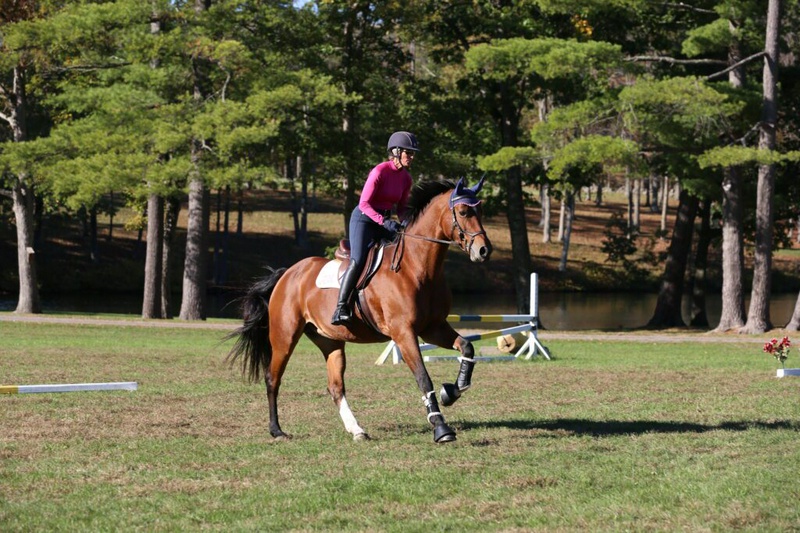
Of u nu voorbereidt voor een jachtklas, een dressuurproef oefent of cross-country traint, de basisprincipes van paardrijden zijn altijd hetzelfde.
Voor een ervaren trainer als Marcia Kulak kunnen deze principes in drie woorden worden samengevat: ritme, richting en balans.
Ze zei: "Het is als in een auto zitten.
De auto gaat nergens heen tenzij je iets doet.
Wanneer je op een paard stapt, moet je verantwoordelijkheid nemen en deze drie basisprincipes zijn jouw verantwoordelijkheid bij elke rit.
" Tijdens een carrière die haar naar vijfsterren evenementen in Kentucky en het Verenigd Koninkrijk en prestigieuze dressuur- en jacht/ springwedstrijden heeft gebracht, heeft Kulak deze filosofie omgezet in een trainingssysteem dat werkt in alle disciplines en niveaus.
Ze benadrukt dat dit systeem niet ingewikkeld is, maar duurzaam.
En het is deze duurzaamheid die paarden en ruiters het vertrouwen geeft om te slagen.
Beginnen met ritme Volgens Kulak is ritme de eerste verantwoordelijkheid van een ruiter.
Het lijkt misschien eenvoudig, maar zonder een constante snelheid begint alles uit elkaar te vallen.
Ze legde uit: "Ritme is gewoon de kwaliteit van de gang waarin je zit, voor wat je wilt doen.
Zijn de stappen regelmatig als je van het opstijgblok weggaat?
Is de draf op de middenlijn constant?
Het is jouw taak als ruiter om dat te vestigen.
" Ze begint vaak haar lessen en trainingssessies met overgangen.
Ze legde uit dat frequente overgangen stap-draf-stap het paard aanmoedigen om mentaal gefocust te blijven en vooruit te gaan vanuit de hulpen van de ruiter.
Maar ze benadrukt dat je altijd de juiste reactie duidelijk moet belonen door de druk los te laten en dan zachtjes dezelfde vraag te stellen totdat een zachte hulp van de ruiter een goede reactie van het paard oplevert.
Ze voegde eraan toe: "Totdat het paard voorwaarts en met een constant ritme beweegt, is er geen noodzaak om aan moeilijkere taken te beginnen.
" De richting vinden Nadat het ritme is vastgesteld, is de volgende taak het volgen van de richting.
Ze zei: "Stel je je paard voor als een treinwagon—lang en smal.
Het is jouw verantwoordelijkheid om die wagon op de rails te houden.
" Zelfs de eenvoudigste rit vereist precisie: rechte lijnen die niet afdwalen, cirkels die echt rond zijn, hoeken die doelgericht zijn.
Ze moedigt ruiters aan om zichzelf uit te dagen door een paar passen van de reling te rijden, te mikken op markers in de arena of precieze slangenvoltes te rijden.
Ze zei: "Waar je ook gaat, of het nu langs de lange zijde is of in een vrije rit, je paard moet op het pad blijven dat je hebt gekozen.
Dit is wat de samenwerking duidelijk houdt.
" Balans behouden Het derde deel is balans, dat wordt bereikt door de "positieverklaring" van de ruiter.
Ze legt uit: "Voor bijna elke vraag die je je paard stelt, is er een juiste positieverklaring.
In het DNA van paarden ligt het leren via lichaamstaal, dus het gebruik van de juiste positieverklaring is een cruciaal onderdeel van effectief en harmonieus rijden.
" Ze vergelijkt rijden met yoga of pilates en zegt: "Als je lichaam scheef is, werkt de oefening niet.
Maar als je uitgelijnd bent—oor, schouder, heup, hiel—kun je met heel weinig inspanning effectief zijn.
" Vanaf hier wordt balans bewustzijn: weten hoe je postuur in de draf verbonden is met de achterbenen van het paard of welke voet naar de contragalop beweegt.
Ze zegt dat het kleine details zoals deze zijn die "bewegen" scheiden van echte invloed op het paard.
Wanneer de ruiter in balans is, kan het paard ook in balans zijn.
Wanneer de ruiter voorover in het zadel buigt, zich verstijft of ineenzakt, verliest het paard zijn duidelijkheid en zelfvertrouwen.
Waarom duidelijkheid belangrijk is, is de rode draad die door alle trainingen van Kulak loopt.
Hij wijst erop dat paarden prooidieren zijn en zeer gevoelig zijn voor druk en loslaten.
Hij zegt: "Als ze kunnen voelen dat er een vlieg op hun huid zit, kunnen ze de kleinste verandering in je been of zitvlak voelen.
Maar als de hulpen onstabiel zijn, negeren sommige paarden ze terwijl anderen heet en overactief worden.
In beide gevallen wordt de samenwerking geschaad.
" Zijn advies is simpel: vraag met respect, beloon onmiddellijk en herhaal totdat het paard het begrijpt.
"Zo wordt vertrouwen opgebouwd.
Zo maak je vooruitgang.
" Principes naar de hindernissen brengen Bij springen merkt Kulak dat veel ruiters zich door angst laten overmannen en vervolgens de principes loslaten.
Kulak zegt: "Ik zie mensen in paniek raken bij het vinden van de afstand.
Ze beginnen te schoppen, trekken en buigen—dingen die ze niet op de vlakke grond doen.
Maar als je ritme, lijn en balans hebt, komt de afstand vanzelf goed.
" Hij vergelijkt het met het bakken van een cake: met de juiste ingrediënten, in de juiste hoeveelheden en bij de juiste temperatuur is het resultaat betrouwbaar.
Met slechte voorbereiding zal geen enkele haast op het laatste moment het goedmaken.
Bij de hindernissen herinnert hij ruiters eraan zich te concentreren op de verantwoordelijkheden die ze al kennen: het tempo behouden, op de lijn blijven en hun positie behouden.
Van daaruit wordt springen een uitbreiding van het werk op de vlakke grond, geen apart raadsel.
De koningin van de cavalletti Wat is Kulak's favoriete methode om dit alles toe te passen?
Cavalletti.
Ze zei: "Misschien een van de minder bekende hulpmiddelen in de paardensport is het creatieve gebruik van cavalletti.
Deze methode kan ruiters van elk niveau helpen hun vaardigheden te verbeteren en tegelijkertijd het succes en de levensduur van de carrière van het paard te vergroten.
Deze oefeningen vervangen geen springtrainingen en wedstrijdvoorbereidingen; ze helpen de training en ontwikkeling van vaardigheden te versterken zonder de fysieke druk en mentale stress die daarmee gepaard kunnen gaan te verhogen.
" Ze lachte en zei: "Ik ben de koningin van de cavalletti.
Ik gebruik ze elke dag en met elk paard.
Ze zijn als pilates: ze maken het lichaam van het paard sterker, verbeteren ritme en balans en verhogen de precisie van de beenbewegingen—alles zonder de druk en schade van het springen over grote hindernissen.
" Marcia Kulak legt uit: "De schoonheid van cavalletti is dat je de uitdaging kunt vergroten zonder de hoogte te verhogen.
" ©Amber Heintzberger Ze benadrukt het belang van de juiste uitrusting en legt uit dat lichte houten of PVC-palen gevaarlijk kunnen zijn.
Als een paard een fout maakt, kunnen deze palen draaien en uitglijden veroorzaken.
In plaats daarvan raadt ze het gebruik aan van zware houten palen gemaakt van 4x4 met afgeschuinde randen en geplaatst op stabilisatieblokken gemaakt van 2x4.
Ze zei: "Als de palen stevig zijn, gebruiken paarden zichzelf beter en zullen ze meer aandacht besteden aan hun beenbewegingen.
Ik wil dat ze op hun plaats blijven en niet gemakkelijk verschuiven.
» Hij wijst erop dat de drafbalken in een rechte lijn tussen de 4’6” en 4’9” uit elkaar moeten liggen.
Cavalletti die 9’ uit elkaar staan, kunnen worden gebruikt voor stappen, draven of galopperen.
De balken kunnen ook in een bocht of iets verhoogd worden geplaatst.
Om smalle hindernissen in cross-country na te bootsen, kun je oefenen op cavalletti die misschien 4’ breed zijn.
De variaties zijn eindeloos!
Zorg ervoor dat je de afstanden regelmatig meet met een meter om de nauwkeurigheid te behouden.
Kulak zegt dat je de lengte van een 12’ balk kunt uitlopen om je paslengte te leren kennen, wat handig is bij het instellen van oefeningen en wanneer je geen meter bij de hand hebt of wanneer je een parcours verkent en snel de afstand tussen hindernissen moet inschatten.
Ze legt uit: «De schoonheid van cavalletti is dat je de uitdaging kunt vergroten zonder de hoogte te verhogen.
Dit versterkt het zelfvertrouwen, de nauwkeurigheid en de kracht bij zowel paard als ruiter.
Werken aan balken en cavalletti is cruciaal voor de mentale en fysieke verbetering van zowel paard als ruiter.
Het ontwikkelen van vertrouwen in de beenbewegingen begint met de juiste afstelling totdat het zelfvertrouwen en de rijvaardigheid goed zijn gevestigd.
Angst heeft de neiging om de kwaliteit van de prestaties bij zowel paard als ruiter te verminderen, dus minimaliseer dit risico met veilige en vriendelijke metingen zodat beide klaar zijn om moeilijkere vragen aan te pakken.
» Marcia Kulak demonstreert werken aan balken.
©Amber Heintzberger Ze voegt eraan toe dat het nodig kan zijn om de afstanden aan te passen op basis van de grootte, training en ervaring van je paard en dat het belangrijk is om advies in te winnen bij een gekwalificeerde trainer om ervoor te zorgen dat je het goed doet.
Ze houdt er ook van om een kleine sprong met cavalletti aan beide kanten te combineren en de paarden aanpasbaar te houden door de vullingen te wisselen.
Ze zegt dat het verplaatsen van de balken rond de arena voorkomt dat de paarden te comfortabel worden.
«Zelfs ervaren paarden kijken opnieuw wanneer iets op een nieuwe plek wordt geplaatst.
Dat is goed voor hen.
» Het creëren van dagelijkse gewoonten is voor Kulak een eenvoudige boodschap: rijd elke dag met een doel.
Ze zei: «Deze verantwoordelijkheden—ritme, pad, balans—zijn niet alleen voor clinics of shows.
Ze zijn voor elke rit, zelfs als je maar 40 minuten thuis oefent.
Als je ze dagelijks oefent, worden ze een gewoonte.
En als ze een gewoonte worden, kun je er onder druk op rekenen.
» Dit is wat paarden stabiliteit geeft en wat partnerschappen sterk houdt.
Ze zei: in al deze oefeningen, als je een fout maakt, zal het meestal niet erg dramatisch zijn.
Kulak vervolgde: «Ik kan niet genoeg benadrukken dat je je creativiteit moet gebruiken bij het veranderen en verplaatsen van de oefeningen om het zelfvertrouwen van je paard en jezelf te vergroten.
Wanneer je deze dingen naar verschillende plaatsen verplaatst met verschillende materialen, is het doel dat je paard eraan went en zelfvertrouwen krijgt.
Wanneer het paard begrijpt wat je van hem verwacht en jij als ruiter je taak uitvoert, komt alles samen.
Dat is wanneer de magie gebeurt.
» Over Marcia Kulak Marcia Kulak.
©Amber Heintzberger Met een unieke ervaring in paardrijden en training, heeft Marcia Kulak deelgenomen aan vijfsterrenwedstrijden in de eventing, is ze tweemaal op de shortlist voor de Olympische Spelen geplaatst en heeft ze getraind met enkele van de prominente namen in verschillende disciplines, waaronder Jack Le Goff, Mark Phillips, Anne Kursinski, Sue Blinks, Ruth Hogan-Poulsen, Ali Brock en Beezie Madden, evenals de natuurlijke paardrij-experts John Lyons en Louis Wood.
Ze heeft ook bijgedragen aan deze sport door middel van management en vrijwilligersinspanningen, waaronder het dienen in de selectiecommissie van de USEF voor eventing.
Vandaag de dag beheert ze Kulak Equestrian nabij Saratoga, New York en in Wellington, Florida en werkt ze met een breed scala aan studenten.
Bron: Practical Horseman – Training