8 tips voor het beginnen met springen bij jonge paarden
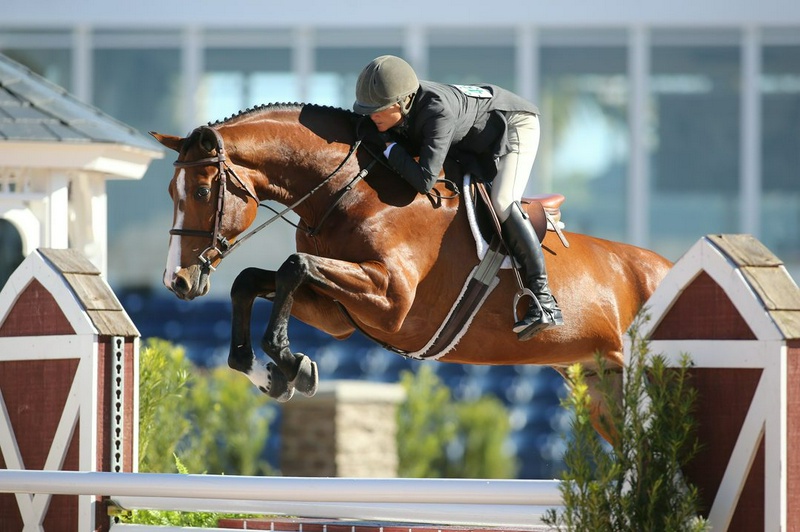
Onze slogan bij het werken met jonge paarden over hindernissen is: geef ze de tijd om te groeien en het beste paard te worden dat ze kunnen zijn.
Het begeleiden van een jong paard door het trainingsproces is een geweldige en lonende reis, maar het moet langzaam, weloverwogen en betrouwbaar worden gedaan; een proces dat hem in staat stelt zijn vroege fouten te corrigeren en zelfvertrouwen op te bouwen.
Veulens gedijen goed in ons gestructureerde trainingsprogramma bij Milestone; ze gaan allemaal naar dezelfde "school".
Elke dag proberen we hun zelfvertrouwen een beetje te vergroten en slechts één stap verder te gaan.
Het is belangrijk dat een jong paard weet dat er een vast schema is: om zeven uur krijgt hij eten, op een gegeven moment gaat hij naar de paddock en hij weet wanneer hij bereden wordt.
We passen ons schema zo aan dat we elke dag zoveel mogelijk dezelfde tijdsblokken behouden.
Jonge paarden houden van stabiliteit en deze regelmatige routine helpt bij het opbouwen van vertrouwen.
De beste manier om een jong paard te trainen is door naar hem te luisteren; vraag hem om met je te "praten".
Stel hem elke dag een nieuwe vraag en luister dan om te zien of hij kan antwoorden.
Vraag hem bijvoorbeeld om zijn passen in draf of galop te verlengen, dan te verzamelen en opnieuw te verlengen.
Als hij je vraag kan beantwoorden, betekent dit dat je vooruitgang hebt geboekt.
Als hij dat niet kan, vertraag dan en ga een stap terug.
Onthoud dat hoewel je misschien een gestructureerd proces volgt, elk paard zijn eigen persoonlijkheid, lichaamsbouw en mentale capaciteiten heeft — en elk paard groeit in zijn eigen tempo.
Geduld hebben op deze reis kan moeilijk zijn.
Het ergste wat je met een jong paard kunt doen is te menselijk handelen: vooraf bepaalde doelen of tijdschema's hebben om blauwe linten te winnen.
Leg je dromen en tijdschema's niet aan hem op.
Geef hem de kans om te bloeien.
Introducing a Young Horse to Jumping In ons systeem beginnen we de training met draven en galopperen over eenvoudige balken op de grond en gaan dan over naar draven en galopperen over een enkele crossrail met een hoogte van minder dan 1 voet.
We geven de voorkeur aan het gebruik van een crossrail in het begin, omdat het het paard helpt recht te blijven en hem aanmoedigt om correct van voren te springen.
We gebruiken ook regelmatig een plaatsingsbalk (alleen in draf) die 9 voet voor de hindernis wordt geplaatst.
Dit helpt het paard om het juiste afzetpunt van de grond te herkennen en met een mooie, ronde boog te springen.
Het doel in dit stadium is om hem te leren in elke oefening recht te blijven en soepel vooruit te bewegen, terwijl je hem ondersteunt met je benen en een lichte, gebalanceerde zit.
Sommige paarden versnellen aanvankelijk bij hindernissen, omdat ze denken dat dit gemakkelijker is dan hun handen en rug te gebruiken om over de hindernis te komen.
Dit is een belangrijk moment om je paard te leren zijn tempo te verlagen bij het naderen.
Doe dit in draf (nooit in galop): ga dravend naar een kleine hindernis met een plaatsingsbalk en stop je paard ongeveer 15 voet voor de plaatsingsbalk.
Wacht een paar seconden tot hij kalmeert, neem dan weer de draf op, maak een cirkel en herhaal de oefening.
Herhaal dit totdat hij zonder haast de hindernis kan naderen.
Custom Made (not to be confused with David O’Connor’s Olympic gold-medal partner of the same name) was een event horse voordat hij op 10-jarige leeftijd bij ons kwam.
Het kostte tijd, maar uiteindelijk leerde hij zijn snelheid in elk deel van het springproces te verminderen.
Hij won kampioenschapslinten in Harrisburg, Washington en National Horse Show.
©Sportfot Wanneer een jong paard vertrouwd raakt met het zelfverzekerd passeren van een enkele crossrail, nemen we hem mee om met draf eenvoudige combinaties en lijnen met twee kleine crossrails te betreden; met voorspelbare en comfortabele afstanden, bijvoorbeeld ongeveer 30 feet voor een lijn van twee-stride.
Wanneer deze twee crossrails voor hem gemakkelijk worden, voegen we een derde crossrail toe; zo komt hij met draf het eerste deel van de twee-stride binnen en bereikt vervolgens met drie strides, ongeveer 44 feet, het derde element.
(Opmerking: afhankelijk van de pas van uw paard, moet u deze afstanden mogelijk iets verkorten of verlengen.
) Wanneer deze oefening na veel herhaling voor het jonge paard eenvoudig wordt, gebruiken we hetzelfde patroon om hem vertrouwd te maken met nieuwe soorten hindernissen.
Terwijl we alles hetzelfde houden, veranderen we de tweede crossrail in een vertical, vervolgens in een ramped oxer en daarna in een square oxer; dit proces vindt plaats over enkele weken.
We voegen ook geleidelijk hindernissen van verschillende materialen toe, zoals een kleine flower box of brush jump; altijd als de "out" hindernis in een lijn en nog steeds met lage hekken.
In de volgende fase leren we het paard om met galop naar dezelfde eenvoudige en basale lijn van twee kleine hindernissen te gaan, maar zonder placing pole.
We stellen deze lijn in als vier-stride en ongeveer 60 feet.
Uiteindelijk, na maanden van het afzonderlijk trainen van deze basiscomponenten, zetten we ze allemaal samen in een eenvoudige course: met draf naar een drie-elementencombinatie met placing pole bij de takeoff, vervolgens met galop over een enkele hindernis, en daarna galop over een lijn van vier-stride, gelijk aan 60 feet.
Wanneer een jong paard dit parcours succesvol kan afleggen, weten we dat het een goede basis in springen heeft.
Nadat uw jonge paard alle basiselementen goed heeft geleerd, kunt u ze samenvoegen in deze kleine en eenvoudige course.
Als er problemen ontstaan of het paard onder druk komt te staan, blijf kalm, neem een stap terug en begin opnieuw.
Er is geen haast en u kunt zoveel tijd nemen als nodig is om de course succesvol en met vertrouwen te voltooien.
Terwijl u dit basissysteem volgt, onthoud dat een paard net zo gemakkelijk een slechte les kan leren als een goede.
Dus als de situatie uit de hand loopt — als het paard plotseling wegrent of schrikt — stop dan even en haal diep adem.
Aai hem.
Laat uw hartslag en die van hem dalen.
Neem dan rustig de draf of galop weer op en probeer het opnieuw.
Onthoud dat uw doel succes is; als deze oefening te veel is voor uw paard, neem dan een stap terug.
Jonge paarden komen vaak in periodes waarin ze zo veel weerstand bieden dat u niet weet wat u ermee aan moet.
Met paarden weet u nooit alles; het zijn levende, ademende wezens.
Als uw frustratie te hoog oploopt, wees dan nederig.
Neem contact op met een trainer; vraag om hulp.
8 Strategies for Success When Starting Youngsters Over Fences Lees verder voor een paar andere goede regels: 1.
Laat je verwachtingen achter in de stal.
Begin de trainingssessie niet met een streng doel of een specifieke verwachting van het resultaat.
Begin gewoon met draven en kijk met welk paard je die dag te maken hebt; beslis dan wat je gaat doen.
2.
Ga nooit een discussie aan waarvan je denkt dat je die niet kunt winnen.
Als je geen zin hebt of niet genoeg tijd hebt, ga dan deze strijd niet aan.
Dit is voor geen van beiden eerlijk.
Misschien is het beter om gewoon een eenvoudige stap, draf, galop te doen of hem op de longeerlijn te zetten.
Ga daarna terug naar de stal.
3.
Geef je paard tests die hij kan behalen.
Begin elke oefening met balken op de grond en vervang ze geleidelijk één voor één door sprongen.
Maak van elke toevoeging een gemakkelijke les voor je paard, zodat hij voortdurend voortbouwt op zijn eerdere successen.
4.
Zorg er altijd voor dat je paard in balans en rustig is voordat je naar het volgende element gaat.
Als het nodig is om een cirkel te maken, is dat prima.
Bacardi kwam bij ons toen hij 5 jaar oud was.
Hij was erg voorzichtig en erg schrikachtig en twijfelde altijd aan zowel de sprong als zichzelf.
Constante herhaling in ons programma gaf hem het vertrouwen om te springen.
Tijdens zijn lange tijd bij Milestone werd hij meerdere keren kampioen in de Green, Open Hunter en Amateur secties.
©Sportfot 5.
Verras een jong paard nooit door hem te vragen over een soort hindernis te springen die hij nog niet eerder heeft gezien.
Terwijl je rijdt, benader je elke nieuwe sprong in een hoek en houd je zijn lichaam er een beetje van weg, zodat hij niet denkt dat je hem vraagt eroverheen te springen.
Dit stelt hem in staat ernaar te kijken zonder schuw te worden en te leren zelfs in enge situaties naar je te luisteren.
Laat hem niet met zijn neus de sprong raken, want hij kan zichzelf bang maken met iets als het blazen op een bloem, bijvoorbeeld.
6.
Maak de oefening gemakkelijker wanneer je moeilijkheden ondervindt.
Vervang bijvoorbeeld de sprongen door balken op de grond.
Of verkort een lijn met één pas (bijvoorbeeld een vier-pas naar een drie-pas) zodat er minder afstand is en je paard gemakkelijker recht, rustig en vol vertrouwen kan blijven.
Houd de opstelling van de vorige oefening ergens in de ring, zodat je er gemakkelijk naar terug kunt keren als je paard zich zorgen maakt over de huidige oefening.
7.
Blijf kalm en beheerst, ongeacht hoe je paard reageert op elke nieuwe situatie.
Onthoud dat hij moet geloven dat jij weet wat je doet, zelfs als je zelf niet helemaal zeker bent!
8.
Weet wanneer je moet stoppen.
Wij mensen zijn meestal zo resultaatgericht dat we altijd meer willen: "Alles gaat goed, laten we nog iets anders proberen."
Maar een groen paard moet geleidelijk worden getraind.
Wanneer je iets bereikt hebt, wanneer je trots bent op je paard, stop dan daar.
We hopen dat deze tips je helpen om je jonge paard met succes kennis te laten maken met hindernissen aan het begin van jullie gezamenlijke reis!
Over Havens Schatt en Fred Commissaire
Havens Schatt heeft een lange en succesvolle carrière in de paardensport; ze begon in de juniorenklasse en trainde vervolgens negen jaar onder Tom Wright voordat ze in 2001 haar eigen bedrijf oprichtte.
Ze heeft altijd kampioens- en reservekampioenslinten gewonnen op belangrijke paardenshows, waaronder Devon en Indoors.
Schatt runt samen met haar echtgenoot en zakenpartner, Fred Commissaire, Milestone Farm in Georgetown, Kentucky.
Commissaire werd geboren in Paris, France en groeide daar op, waar hij op hoog niveau deelnam aan junioren drie-daagse eventing.
Hij studeerde af aan de prestigieuze ruiterschool Saumur en nam deel aan internationale show jumping voor het leger van France.
Schatt en Commissaire hebben samen veel jonge paarden gefokt die nu op het hoogste niveau van de show game succesvol zijn; waaronder Set to Music, Custom Made en Bacardi.
Bron: Practical Horseman – Training