Cour de la Brière | Cor de la Bryere
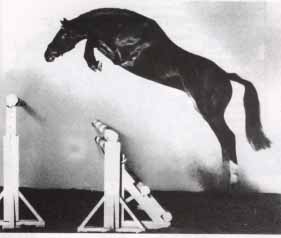
In the western plains of France, in Yvré-le-Pôlin, a dark bay colt was born whom no one imagined would one day rebuild the bloodline of an entire breed from…
Cor de la Bryère was born on 23 April 1968 in Yvré-le-Pôlin, in western France, a dark bay foal of the Selle Français breed, the result of crossing Rantzau — the Thoroughbred racing horse that later became a breeding stallion in show jumping — with a mare named Quenotte B, daughter of Lurioso and granddaughter of the great Furioso. Standing not especially tall, at about 168 centimeters, he showed no outward sign of the great destiny that lay ahead.
In 1970, while owned by Xavier Ribard, Cor de la Bryère was presented to the selection committee of Haras National du Pin — the state horse-breeding center in France — but was rejected. The evaluators called him “too much of a sport horse” for the breeding program and suggested that he be gelded. His fate, however, took another turn: in February of that same year, German buyers on behalf of Holstein Verband purchased him to take him to Schleswig-Holstein.
In 1971, Cor de la Bryère took part in the 100-day stallion performance test in Neumünster and captivated the judges with his dazzling bascule — that arch-like rounding and precise folding of the limbs when clearing a fence — as well as with his brilliant foreleg technique, intelligent use of the hind end, and uncompromising courage. He received breeding approval and began his work as a breeding stallion in Siethwende.
At first, Holsteiner breeders, accustomed to their heavier and more conservative lines, were cautious about the introduction of French Selle Français blood. But it soon became clear that Cor de la Bryère’s offspring brought with them a unique combination of jumping power, technique, and rideability. In the following years he continued standing at various stations, including Elmshorn (1986 to 1988) and finally Sollwittfeld (1989 to 2000), and in 1985 he was also leased for one season to the Zangersheide complex in Belgium, owned by Léon Melchior, where he sired Calipa Z out of the foundation mare Ratina.
His progeny included the most famous figures in show jumping and German warmblood breeding: Caletto I, Caletto II, Caletto III, Corrado I, Corlandus, Corland and Contender were among his offspring and foundation stallions that either competed themselves at Olympic and World Cup level or laid the foundations for later winning generations — Corlandus even had a World Cup dressage champion among his achievements. By 1993 the competition earnings of his offspring in West Germany had exceeded 2 million marks, and by 1996 the figure had reached 5,581,229 German marks; a number that made him the most dominant commercial stallion of his era in show jumping.
Cor de la Bryère died on 27 April 2000, just four days after his 32nd birthday, in Sollwitt, Germany, of heart disease. By the end of his breeding career he had produced 85 licensed sons and 86 state-premium daughters, and today it is estimated that his blood runs through more than 70 percent of Holsteiner pedigrees — a legacy so extensive that contemporary breeders sometimes worry about “Corde inbreeding.” The Holstein Association called him the “stallion of the century,” just one step below Landgraf I, and he is still regarded as the one who single-handedly transformed the show jumping technique of the Holsteiner breed and opened the door of German warmblood breeding to French blood.
افتخارات
- 1970 — ارزیابی گزینش نریانها، Haras National du Pin (فرانسه): در حدود ۲ سالگی، در حالی که در مالکیت Xavier Ribard بود، توسط کمیتهی گزینش این مرکز دولتی به عنوان اسب مولد رد شد؛ ارزیابان او را «بیش از حد یک اسب ورزشی» توصیف کردند و اختهکردنش را پیشنهاد دادند. در عوض، در فوریهی ۱۹۷۰ به خریداران آلمانی (Holstein Verband) به قیمتی در حدود ۴۲۰,۰۰۰ فرانک بلژیک (معادل ۲۳,۰۰۰ گیلدر هلند) فروخته شد.
- 1971 — آزمون کارایی نریانها، Neumünster (Holsteiner Verband، آلمان): آزمون صد روزه را با بالاترین نمرات برای bascule (خمیدگی کمانمانند بدن هنگام پرش)، تکنیک دستهای جلو، استفاده از پشت و شجاعت روی موانع پشت سر گذاشت و تحت کتاب اصیل Holsteiner برای پرورش مجوز گرفت.
- 1971 — ورود به Schleswig-Holstein: به آلمان صادر شد و پوشش مادیانها را در Siethwende آغاز کرد و بنیانگذار آنچه پرورشدهندگان بعدها «خط Cor de la Bryère» نامیدند شد.
- 1985 — فصل جفتگیری در Zangersheide (بلژیک): برای فصل تولیدمثلی ۱۹۸۵ از سوی Holstein Verband به مجموعهی Zangersheide متعلق به Léon Melchior اجاره داده شد و نسلش را به پرورش اسبهای گرمخون بلژیکی گسترش داد؛ در همان فصل، Calipa Z را از مادیان بنیانگذار Melchior به نام Ratina به دنیا آورد.
- 1993 — نقطه عطف درآمد نتاج: مجموع جوایز رقابتی فرزندانش در پرش با مانع آلمان غربی از ۲,۰۰۰,۰۰۰ مارک آلمان (Deutsche Mark) گذشت.
- 1996 — نقطه عطف درآمد نتاج: درآمد تجمعی فرزندانش به ۵,۵۸۱,۲۲۹ مارک آلمان رسید که او را به عنوان مسلطترین نریان تجاری دوران خود در پرش با مانع تثبیت کرد.
- 2000 — آمار پایانی دوران فعالیت، Holsteiner Verband: ۸۵ پسر دارای مجوز/تأییدشده و ۸۶ دختر دارای نشان دولتی (state-premium) از خود بر جای گذاشت؛ خون او در برآوردی بیش از ۷۰٪ از شجرهنامههای Holsteiner حضور دارد.
- 2000 — درگذشت و رتبهبندی پس از مرگ: در ۲۷ آوریل ۲۰۰۰ در Sollwitt آلمان، در سن ۳۲ سالگی، بر اثر بیماری قلبی درگذشت؛ بعدها پرورشدهندگان Holstein او را «نریان ذخیرهی قرن» رتبهبندی کردند، تنها یک پله پایینتر از Landgraf I.