Bask | Bask
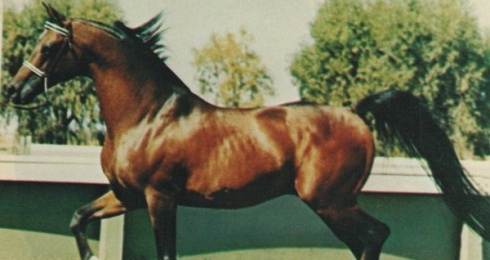
In the heart of a cold winter in southeastern Poland, at the Albigowa breeding station, a bay colt was born who was destined to transform the fate of the…
Bask was born on February 9, 1956, at the state station Albigowa, in southeastern Poland. His sire was Witraz, descended from the legendary stallion Ofir, and his dam was Balalajka, a daughter of Amurath Sahib and one of the most outstanding mares in the history of Polish Arabian breeding. Bask’s full sister, the famous mare Bandola, also left a brilliant mark on the history of this breed.
From the age of two, Bask was sent to the Służewiec racetrack in Warsaw and, over four seasons, took part in about forty starts, compiling a record of 8 wins, 7 second-place finishes, and 7 third-place finishes. After his racing career ended, he was transferred to Janów Podlaski to have a limited breeding career in Poland; a period that seems faint compared with what he later achieved.
In 1963, Bask was purchased from the Polish state horse-breeding system and brought to the United States by Dr. Eugene LaCroix of Lasma Arabians in Scottsdale, Arizona; a difficult sea voyage that brought him tired and worn to his new homeland.
But the fatigue of the journey did not last long. Bask made a dazzling debut at the 1964 Scottsdale Arabian Horse Show and, in that single show, captured both the Champion Stallion title and the Park Horse championship; an honor that placed his image on the cover of the March 1964 issue of Arabian Horse World magazine. That same year he was chosen as the U.S. National Champion Stallion, and the following year, in 1965, he also won the National Park Horse championship; an achievement that made him one of the few -and, by many accounts, the only- Arabian stallions in history to hold national titles in halter and in a performance discipline at the same time.
His brilliant path in the show ring continued: in 1966 he won the Park Horse championship again at Scottsdale, and in 1967 he became the U.S. National Reserve Champion in Formal Driving.
Even so, Bask’s true legacy should be sought at the breeding station. Standing at Lasma for nearly seventeen years -during a period when his breeding fee is said to have been the first in the history of the breed to reach one million dollars per year- he sired about 1,046 to 1,050 registered purebred Arabian foals; a staggering figure for a time when artificial insemination was not yet common and most matings were done naturally. Among his direct offspring, 196 horses won U.S. and Canadian national championships, and his bloodline today flows through a significant portion of registered Arabian horses in America -by some estimates between eighteen and twenty-five percent. He received the Legion of Merit from the International Arabian Horse Association and for a long time was known as the greatest sire of champions in the history of the Arabian breed.
Bask died on July 24, 1979, at the age of 23, from colic. He was buried in Champions Cemetery at Kentucky Horse Park, and in 1997 a life-size bronze statue of him, by sculptor Edwin Bogucki, was installed in the lobby of the International Museum of the Horse in that complex. Americans nicknamed him “Inspiration of America,” and his homeland Poland also told the story of his journey from a snowy foaling in Subcarpathia to global stardom by producing a documentary called “Bask: Objawienie Ameryki” (“Bask: Inspiration of America”).
افتخارات
- 1958 — دوران مسابقه در میدان Służewiec، ورشو: از دو سالگی وارد میدان مسابقه شد؛ در پایان دوران مسابقه رکورد نهایی او ۴۰ استارت با ۸ برد، ۷ مقام دوم و ۷ مقام سوم بود، پیش از بازنشستگی برای فعالیت جفتگیری.
- 1963 — ورود به ایالات متحده: از سامانه دولتی پرورش اسب لهستان خریداری شد و توسط Dr. Eugene LaCroix از Lasma Arabians در Scottsdale، Arizona به ایالات متحده منتقل شد.
- 1964 — دبیوت نمایشی در Scottsdale Arabian Horse Show: قهرمان هالتر (Champion Stallion) و قهرمان Park Horse در یک نمایش؛ تصویرش بر جلد شماره مارس ۱۹۶۴ مجله Arabian Horse World نقش بست.
- 1964 — قهرمانی ملی ایالات متحده: قهرمان ملی هالتر ایالات متحده (U.S. National Champion Stallion، Halter)
- 1965 — قهرمانی ملی ایالات متحده: قهرمان ملی Park Horse ایالات متحده؛ او را به یکی از معدود -و به باور بسیاری تنها- نریانهای عرب تاریخ تبدیل کرد که همزمان عناوین ملی در هالتر و یک رشته پرفورمنس کسب کردهاند.
- 1966 — تکرار قهرمانی در Scottsdale Arabian Horse Show: برای بار دوم عنوان قهرمانی Park Horse را از آن خود کرد.
- 1967 — قهرمانی ملی ایالات متحده: نایبقهرمان ملی در رشته Formal Driving
- 1979 — میراث جفتگیری در پایان عمر: پدر حدود ۱٬۰۴۶ تا ۱٬۰۵۰ کره ثبتشده اصیل عرب (عمدتاً از طریق جفتگیری طبیعی، پیش از رواج تلقیح مصنوعی)؛ ۱۹۶ قهرمان ملی ایالات متحده و کانادا در میان فرزندان مستقیم؛ دریافتکننده نشان Legion of Merit از سوی International Arabian Horse Association به عنوان برترین پدر قهرمانساز تاریخ نژاد عرب.
- 1997 — نصب مجسمه یادبود در International Museum of the Horse: مجسمه برنزی تمامقد Bask به دست مجسمهساز Edwin Bogucki در لابی موزه، در Kentucky Horse Park، نصب شد؛ پیکر او در Champions Cemetery همان مجموعه به خاک سپرده شده است.