Care for the horse after returning home from surgery
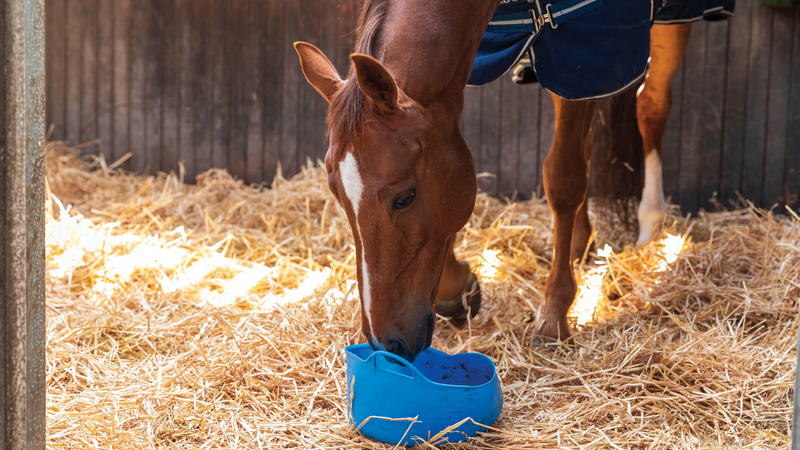
The return of the horse from the hospital to home often brings a lot of peace of mind.
However, since the responsibility is handed back to the owner, this period can also be accompanied by stress.
Ensuring that the horse receives proper care and attention is of vital importance.
Post-discharge care varies significantly depending on the type of procedure or actions taken, and the horse receives specific instructions from the veterinarian upon leaving the hospital, tailored to those conditions.
These instructions are provided in writing and include items such as medications, nutrition, movement restrictions, monitoring status, and emergency contact information.
Adhering to these instructions is essential, and if owners are unable to implement them or have concerns, they should contact the veterinary team.
It is reassuring that horses will not be discharged from the hospital until they have been medically assessed as suitable for discharge.
The potential complications mentioned here are rare — and the occurrence of more than one of them in a single case is also uncommon — but nonetheless, awareness of them is important.
Temperature, heart rate, and respiratory rate can provide useful information.
The normal range for these health indicators in horses is: temperature: 37 to 38.5 degrees Celsius (98.5 to 101.3 degrees Fahrenheit), heart rate: 32 to 44 beats per minute, respiration: 8 to 14 times per minute. Close monitoring of temperature — as well as heart rate and respiration — helps identify any complications in the early stages (image credit: Future/Lucy Merl). An increase in temperature or persistent fever, elevated heart rate, or abnormal respiratory rate may indicate pain, infection, dehydration, or another complication.
However, a horse may be severely ill even without a high fever; therefore, overall behavior and the trend of changes are equally important.
Appetite, water intake, and the amount of manure produced should also be monitored.
The horse should gradually return to normal eating and drinking according to the hospital's instructions.
If the horse has had abdominal surgery, a reduction in the frequency of manure production is particularly important, especially if accompanied by loss of appetite, depression, or signs of abdominal pain.
Potential problems after surgery in horses include colic, which is one of the possible complications following anesthesia and surgery.
Colic does not always present itself severely and visibly; a horse that is only unusually quiet, not eating, and producing little manure may still have a serious problem.
If you suspect colic, you should contact the veterinarian without delay.
Aspiration pneumonia is an unusual complication after general anesthesia (GA).
Since swallowing and airway protection are disrupted during anesthesia, substances may enter the lungs.
Symptoms may include fever, lethargy, decreased appetite, coughing, increased respiratory rate or difficulty breathing, nasal discharge, and increased heart rate.
These symptoms may appear after a recovery period that initially seems successful; in such cases, prompt veterinary assessment is vital.
Muscle damage after anesthesia may also occur, as horses remain in a lying position for extended periods during anesthesia.
Unexpected body stiffness, sweating, muscle pain or swelling, weakness, abnormal walking, or difficulty standing should be reported immediately.
Similarly, the emergence of new neurological abnormalities such as limb weakness, dragging a foot on the ground, or turning a hoof, difficulty in rising, or inability to bear weight may be signs of nerve damage or another serious condition.
The likelihood of these occurrences is much higher immediately after surgery, not when the horse has returned home.
Always watch for swelling, wounds, or lameness (image credit: Future/Rebekah Puddington). Veterinarians and owners should also check for injuries that occurred during recovery from general anesthesia; including new lameness, swelling, wounds, or abnormal limb conditions.
If there is a surgical incision, it should be checked as often as recommended.
Mild swelling or a small amount of clear or blood-tinged fluid may be expected, but rapid swelling, heat, increased pain, purulent or foul-smelling discharge, persistent bleeding, or wound dehiscence require veterinary attention.
If abdominal contents protrude from a surgical incision, it is an emergency; although fortunately, it is very rare.
Many horses are sent home after colic with supportive bandaging or a protective layer of a truss.
Laminitis may develop, especially after severe systemic illness, inflammation, or endotoxemia.
Reluctance to walk, short or stiff steps, constant weight shifting, increased digital pulse, hot hooves, or a specific standing posture leaning back should prompt an immediate veterinary consultation.
Owners are warned not to increase the amount of exercise beyond what is stated on the discharge sheet, even if the horse appears to be doing well (image credit: photography by Emma Harrod). The medication regimen and exercise level should be followed exactly as directed.
Owners should not change the dosage of medications, add new medications, apply anything to the surgical wound, or increase exercise simply because the horse appears to be doing well.
Exercise restrictions depend heavily on the type of surgery and can vary from complete rest in the box to controlled hand walking or gradual return to grazing.
Source: Horse & Hound