5 training tips from Bliss Heers, show jumping rider
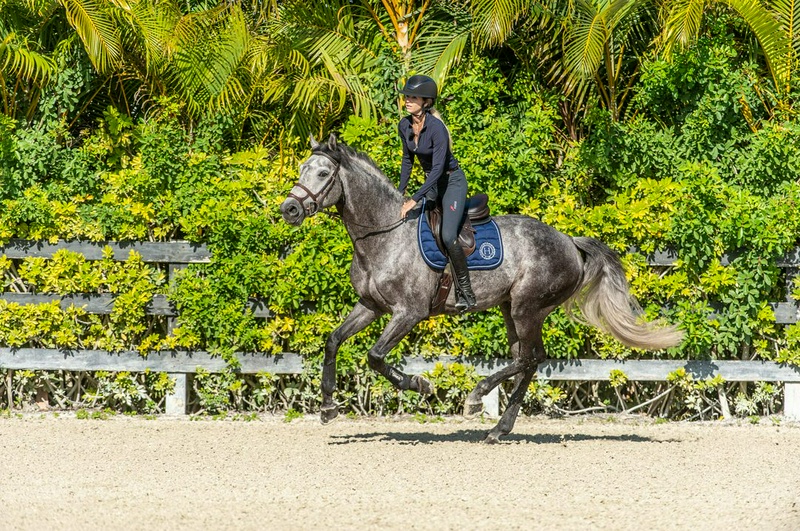
From the time Bliss Heers became interested in horses near her hometown of San Diego, California, to when she trained in Europe under the German Olympic gold medalist Otto Becker, and then competed for the U.S. in FEI Jumping Nations Cups, she has gained extensive experience in training and competition. Here are five training tips from Bliss Heers for successful riding and jumping. Whether warming up before a competition or during a regular practice, don't worry about the horse's head position. Just let it move freely forward. Focus on calming its body and getting it to move from behind. With just this forward movement, the horse will gradually find itself in a better form and position. If a horse doesn't naturally move forward, the warm-up tempo should be just slightly faster than what the horse wants to offer. This helps it learn a sharper tempo and keeps its focus on you. Collecting the horse in trot before asking for canter puts it in better balance for a correct transition. Guide the horse from the inside leg to the outside rein, relax your seat, ask it to bring its balance back, and then request the transition to canter. This helps achieve a smoother transition that is neither rushed nor falls on the forehand. When you apply your leg to the horse, it should respond immediately. When approaching a combination, go a little more forward than comfortable before entering the corner. Then balance the horse in the turn, keep your gaze up, and stay straight. This helps maintain a steady rhythm in canter and stay straight on the line to the combination. Use your body position as a strength, not muscular force. You shouldn't get into a fight with the horse. It's not about controlling the horse, but communicating with it. The goal is to just think about asking the horse to do something while subtly changing your body position to show what you want. The horse understands and reacts as expected. Source: Practical Horseman – Training