Three core exercises for riders recommended by a spine surgeon
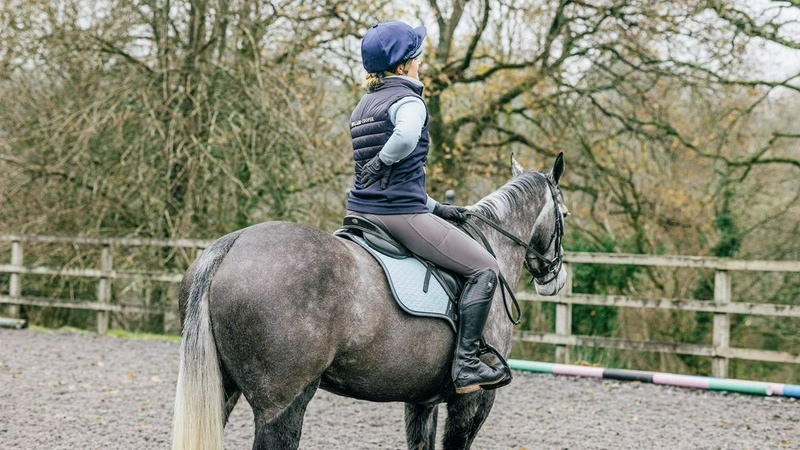
Back pain is a common issue among riders, but a spine specialist has introduced three simple exercises for core muscles that can help prevent these problems. Horse & Hound spoke with Anthony Ghosh, a consultant neurosurgeon, about why the repetitive nature of riding exposes equestrian athletes to a higher risk of disc disease. He explained: "Repetitive axial loading — that is, the continuous vertical impact forces while the spine is almost upright and constantly moving up and down — makes the prevalence of disc disease [among riders] significantly higher. "However, this does not mean you must suffer from back pain." Mr. Ghosh recommends the "three McGill core exercises" as beneficial exercises for strengthening core muscles, which may help prevent back pain. The three McGill core exercises for riders refer to the three exercises emphasized by Stuart McGill, a professor at the University of Waterloo in Canada, for 30 years; a prominent figure in the field of back pain causes and rehabilitation. These three exercises are Bird Dog, Curl Up, and Side Plank. An experienced physiotherapist can modify and personalize these exercises according to your condition. If you suffer from back pain, be sure to consult with a doctor or relevant specialist before performing any of the exercises below. 1. Bird Dog The Bird Dog exercise is useful for activating the lower back muscles in the lumbar region. Get on all fours. Raise one hand forward; almost like the Superman position. Extend the opposite leg backward and keep it straight. Repeat this movement for both sides. 2. Curl Up The Curl Up exercise activates the abdominal muscles; this movement is not the same as a crunch. Lie on your back; bend one knee and keep the other leg extended. Place your hands under your lower back to support the natural arch of the spine. Lift your head and shoulders a few inches off the ground simultaneously and hold that position. 3. Side Plank The Side Plank activates the oblique abdominal muscles. Lie on your side, bend your knees at a 90-degree angle, and support your body with the elbow placed directly under the shoulder. Lift your hips off the mat so that your body forms a straight line from knees to head and maintain this position. To make the exercise more challenging, keep your legs straight instead of bent. If you cannot perform the side plank with fully straight legs, try it with bent knees. Caution: In any new form of exercise, your body should gradually adapt to prevent strain and injury. If you are unsure whether you should perform these exercises due to underlying health issues, consult an expert physiotherapist. If you have cartilage injuries in your knees or joint replacements, you should take special precautions; also, if you have unstable cardiovascular problems, acute disc protrusion or herniation, referred leg pain, tingling, numbness, rheumatoid arthritis, osteoporosis, women's health issues, pregnancy, or cancer treatment, avoid performing cardiovascular exercises. Source: Horse & Hound